

Analytical Data
-
Gene name
SGCE
- Application
-
Alternative Names
SGCE; ESG; UNQ433/PRO840; Epsilon-sarcoglycan; Epsilon-SG
-
Species
Human
-
Source
E. coli
-
Tag
GST-tag at N-terminal
-
Purity
Greater than 90% as determined by SDS-PAGE.
-
Uniprot
O43556
-
Expression Region
1-437 aa
-
AA Sequence
MQLPRWWELGDPCAWTGQGRGTRRMSPATTGTFLLTVYSIFSKVHSDRNVYPSAGVLFVHVLEREYFKGEFPPYPKPGEISNDPITFNTNLMGYPDRPGWLRYIQRTPYSDGVLYGSPTAENVGKPTIIEITAYNRRTFETARHNLIINIMSAEDFPLPYQAEFFIKNMNVEEMLASEVLGDFLGAVKNVWQPERLNAINITSALDRGGRVPLPINDLKEGVYVMVGADVPFSSCLREVENPQNQLRCSQEMEPVITCDKKFRTQFYIDWCKISLVDKTKQVSTYQEVIRGEGILPDGGEYKPPSDSLKSRDYYTDFLITLAVPSAVALVLFLILAYIMCCRREGVEKRNMQTPDIQLVHHSAIQKSTKELRDMSKNREIAWPLSTLPVFHPVTGEIIPPLHTDNYDSTNMPLMQTQQNLPHQTQIPQQQTTGKWYP
-
Molecular Weight
76.3 kDa
-
Endotoxin
< 1.0 EU per μg protein as determined by the LAL method.
-
Form
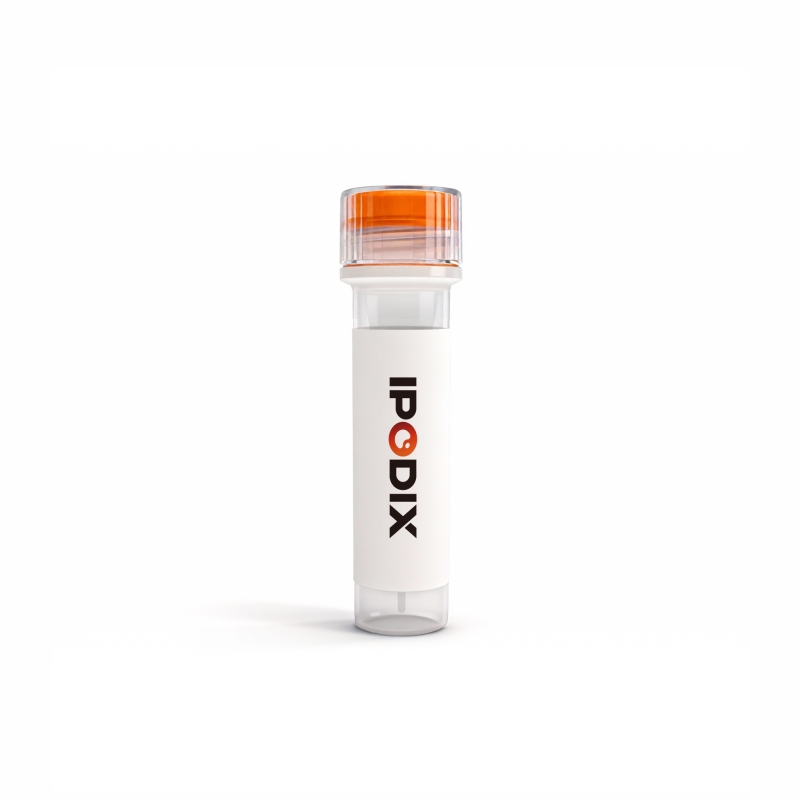
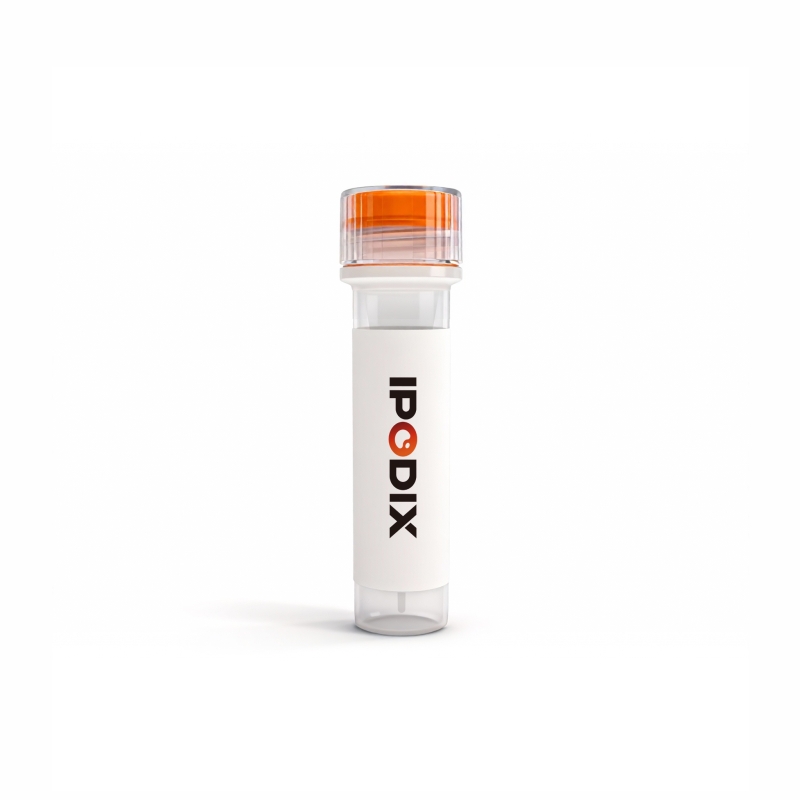
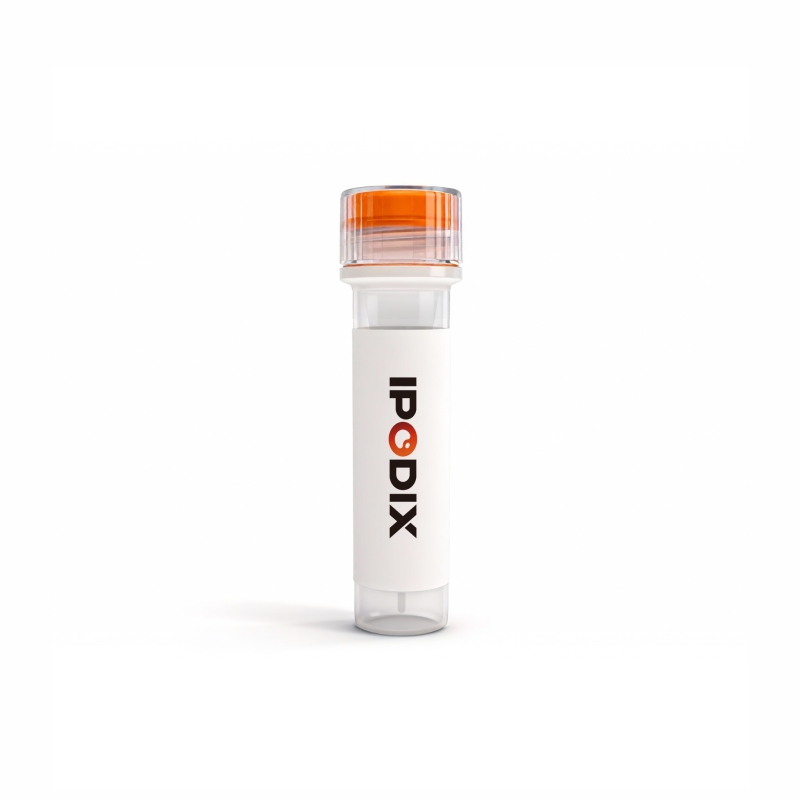
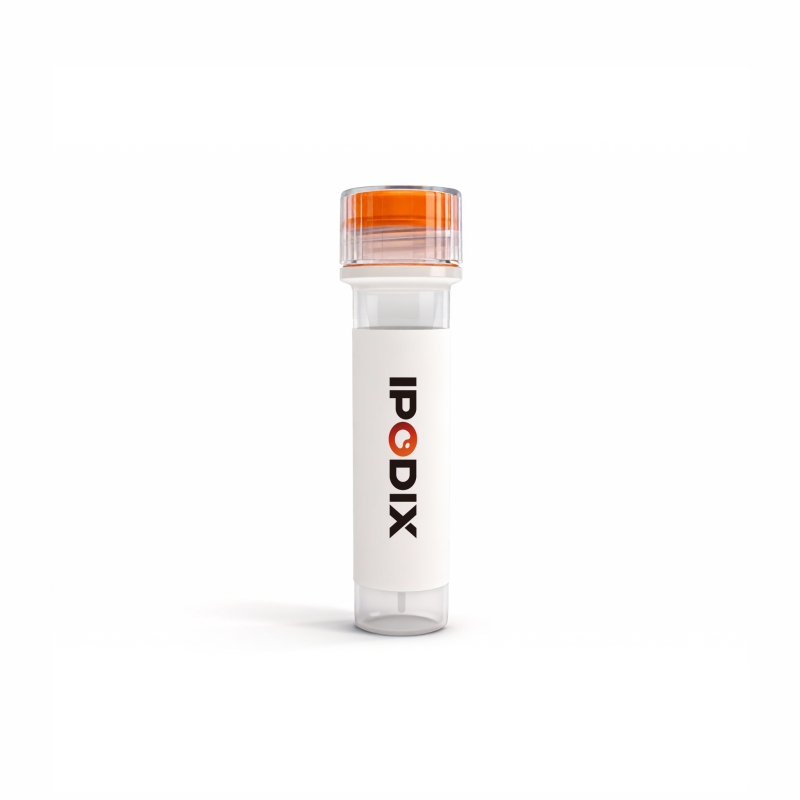
Freeze-dried powder
-
Buffer formulation
PBS, pH7.4, containing 0.01% SKL, 1mM DTT, 5% Trehalose and Proclin300.
-
Reconstitution
Reconstitute in ddH2O to a concentration of 0.1-0.5 mg/mL. Do not vortex.
- Customization
-
Stability Test
The thermal stability is described by the loss rate. The loss rate was determined by accelerated thermal degradation test, that is, incubate the protein at 37℃ for 48h, and no obvious degradation and precipitation were observed. The loss rate isless than 8% within the expiration date under appropriate storage condition.
-
Storage & Shelf Life
Samples are stable for up to twelve months from date of receipt at -20℃ to -80℃. Store it under sterile conditions at -20℃ to -80℃. It is recommended that the protein be aliquoted for optimal storage. Avoid repeated freeze-thaw cycles.
-
Shipping
In general, recombinant proteins are supplied as lyophilized powder and shipped at ambient temperature. For bulk packages, the proteins are provided as frozen liquid and shipped with blue ice, unless otherwise requested by the customer.
Quality inspection process

Related Products
Protein Description
The research background of SGCE (sarcoglycan epsilon) recombinant protein is rooted in the pursuit of understanding and addressing muscular dystrophies, particularly the associated genetic disorders that impact muscle function. SGCE is part of the sarcoglycan complex, which plays a crucial role in maintaining the structural integrity of muscle fibers. Mutations in the SGCE gene can lead to a form of muscular dystrophy known as myoclonus-dystonia syndrome, characterized by muscle spasms, movement disorders, and progressive muscle weakness. Given the significance of SGCE in muscle physiology, scientists have focused on developing recombinant SGCE proteins to explore their structural properties and functional mechanisms in detail. This research aims to elucidate the pathophysiology of SGCE-related conditions and to potentially devise gene therapy approaches that could correct the underlying genetic defects. Additionally, recombinant SGCE proteins serve as valuable tools in drug development, enabling researchers to screen for therapeutic compounds that could enhance muscle functions or counteract the deleterious effects of SGCE mutations. Overall, the study of SGCE recombinant proteins is crucial for advancing our understanding of muscular dystrophies and developing innovative therapeutic strategies to improve the quality of life for affected individuals.







