Multiple Transmembrane Protein Development Services

Multi-transmembrane proteins, including GPCRs, ion channels and transporters, are pivotal targets for drug discovery and mechanistic research. Their abundant transmembrane domains, strong hydrophobicity and complex conformational landscapes pose substantial hurdles to protein production. We provide specialized custom development services for multi-transmembrane proteins. We design tailored end-to-end expression and purification workflows aligned with the structural profiles of your target protein and your downstream experimental requirements. Leveraging our panel of versatile expression platforms, we implement transmembrane domain optimization, rational affinity tag design and precise modulation of expression parameters to markedly elevate expression yields and protein stability. Our membrane-protein-compatible purification procedures are deployed throughout purification to maximally preserve native protein folding and full biological activity. All delivered protein products pass rigorous quality control testing and are well-suited for functional characterization, molecular interaction profiling, drug screening and numerous other research applications.
Service Workflow

  • 1 Day

    Needs Assessment

    Analysis of protein transmembrane segments, hydrophobic distribution and downstream demands for technical difficulty & feasibility evaluation

  • 1 Day

    Development Scheme Design

    Covers expression system selection, truncated/full-length construct design, affinity tag and vector engineering.

  • 1 Week

    Expression System Screening

    Parallel testing of prokaryotic, yeast, insect and mammalian cell platforms to identify the optimal expression workflow.

  • 2–4 Weeks

    Expression & Condition Optimization

    Optimize induction conditions, culture parameters and expression formats to boost protein yield and stability.

  • 1 Week

    Membrane Protein Purification & Preparation

    Adopt lysis and purification protocols optimized for membrane proteins to preserve full conformational integrity and biological activity.

  • 2 Days 

    Quality Testing & Validation

    Carry out purity and stability testing, along with required functional and conformational validation to guarantee product usability.

  • 1 Day

    Result Delivery & Technical Support

    Deliver protein samples and full characterization datasets, with consultation available for subsequent scale-up and downstream applications.

Technology Platforms

Click to Customize
  • Detergent Technology Platform

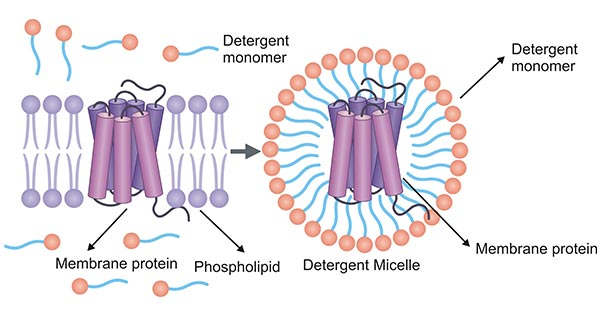
    Mild detergents including DDM, LMNG, DM, OG and CHAPS are systematically screened and deployed on the Detergent Technology Platform. Precise tuning of CMC values, micelle dimensions and protein-detergent (P/D) ratio delivers substantial improvements in conformational stability and functional retention of multi-transmembrane proteins. Reverse design strategies customized for downstream applications are integrated into the platform, enabling purified membrane proteins to maintain superior homogeneity and compatibility with high-end workflows such as Cryo-EM, SPR/BLI and antibody screening.

  • VLP Technology Platform

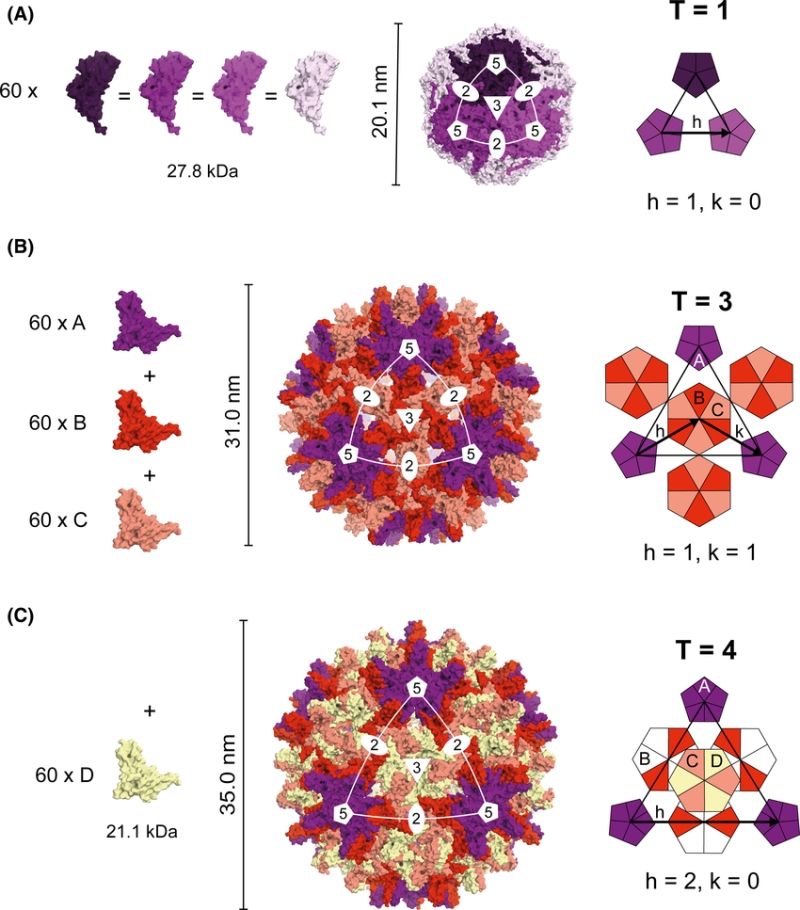
    Gene design, expression systems and culture conditions are systematically optimized for VLPs of diverse origins (viral capsid proteins, engineered structural proteins) on the VLP Technology Platform to enable efficient particulate self-assembly. Structurally intact, uniform-sized and morphologically stable VLPs are generated from the platform, which greatly minimizes empty capsids, misassembled particles and high sample heterogeneity.

  • Nanodisc Technology Platform

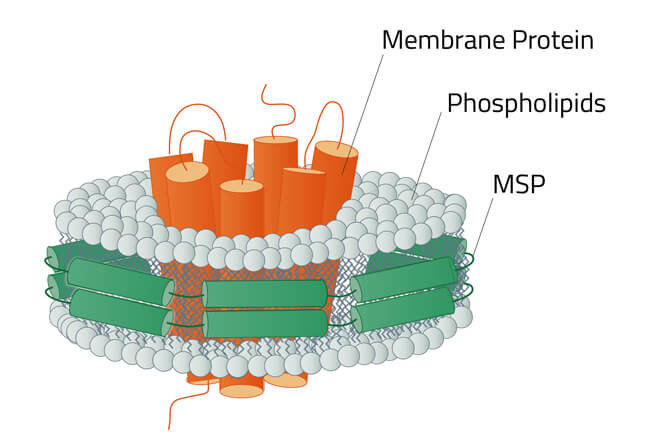
    Stable lipid bilayers form via self-assembly of membrane scaffold proteins (MSPs, e.g., MSP1D1) and defined phospholipids (e.g., POPC, DMPC) on the Nanodisc Technology Platform. Multi-transmembrane proteins are reconstituted as discrete single particles with uniform conformations within this native-like lipid environment. Compared with conventional detergent systems, Nanodiscs greatly cut conformational heterogeneity while enhancing conformational stability, functional retention and long-term storage stability. Reconstituted samples are directly compatible with high-end structural and functional research workflows, including Cryo-EM, SPR/BLI and antibody screening.

  • Liposome Technology Platform

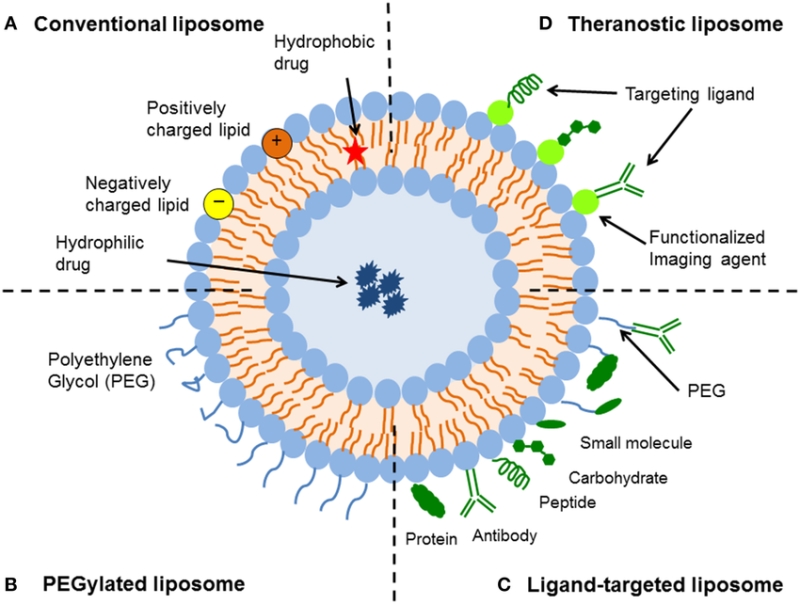
    Natural and synthetic phospholipids including POPC, POPE, DOPC and DMPC are utilized on the Liposome Technology Platform. Cholesterol is incorporated as required to modulate membrane fluidity, and size-tunable liposome formulations are fabricated via thin-film hydration-extrusion or freeze-thaw procedures. Monodisperse liposomes with diameters ranging from 50–200 nm and PDI < 0.2 are generated on the platform. Proteoliposomes are assembled through in vitro reconstitution to achieve efficient membrane protein insertion and precise orientation control.

More related services

Click to Customize

Frequently Asked Questions

  • What are multi-transmembrane proteins, and why are they technically challenging to develop?

    Multi-transmembrane proteins refer to membrane proteins with two or more transmembrane segments. These proteins typically contain multiple hydrophobic transmembrane helices and are widely involved in signal transduction, substance transport and cell communication. Marked hydrophobicity and reliance on native membrane environments to sustain native conformations make these proteins prone to misfolding, aggregation and functional loss during in vitro expression and purification. Extremely rigorous development strategies and sophisticated technical expertise are therefore required for their production.

  • Which types of multi-transmembrane protein development services are available?

    Our services support various types of multi-transmembrane proteins, including but not limited to: GPCRs (G protein-coupled receptors) Ion channel proteins Transporters and pump proteins Multi-pass receptors and signaling proteins Targets with 2 to more than 12 transmembrane domains are covered, and customized development solutions are formulated based on individual protein properties.

  • How is the functional activity of purified multi-transmembrane proteins guaranteed?

    Systematic optimization is carried out throughout purification by our team, covering detergent type and concentration (DDM, LMNG, etc.), buffer formulation, native lipid-mimicking environments, low-temperature and low-shear handling procedures. Conformation-stabilizing mutations or affinity tag-assisted strategies are introduced when required to drastically improve protein stability and functional retention.

  • What downstream research applications can multi-transmembrane proteins support? Are characterization data provided?

    Fully developed multi-transmembrane proteins can be applied to multiple research areas: structural studies (Cryo-EM, X-ray crystallography), antibody screening and characterization, small-molecule drug screening, and molecular interaction assays such as SPR and BLI. We can provide customized datasets including SDS-PAGE, SEC, stability assessment and functional validation results to guarantee protein quality meets research standards.

If you have any questions, please contact us.

  • Name *

  • Tel *

  • Email *

  • Country *

  • Company *

  • Consultation Type *

  • Consultation content *

IPODIX Biotech Inc

2108 N ST, STE N
Sacramento, CA 95816, USA

For Product Information and Orders

sales@ipodix.com

For Business Collaboration

sales@ipodix.com

For CRO Services

sales@ipodix.com

For Technical Support

sales@ipodix.com
  • 50000+

    Recombinant Proteins

  • 100+

    Researchers

  • 100+

    Countries Served

  • ISO

    Certified Quality

Committed to Quality
Driven by Innovation

Learn More About US