

Analytical Data
-
Gene name
FUT10
- Application
-
Alternative Names
FUT10;Alpha-(1.3)-fucosyltransferase 10
-
Species
Human
-
Source
E. coli
-
Tag
His tag N-Terminus
-
Purity
Greater than 90% as determined by SDS-PAGE.
-
Uniprot
Q6P4F1
-
Expression Region
32-479aa
-
AA Sequence
LGKFERKEFK SSSLQDGHTK MEEAPTHLNS FLKKEGLTFN RKRKWELDSY PIMLWWSPLT GETGRLGQCG ADACFFTINR TYLHHHMTKA FLFYGTDFNI DSLPLPRKAH HDWAVFHEES PKNNYKLFHK PVITLFNYTA TFSRHSHLPL TTQYLESIEV LKSLRYLVPL QSKNKLRKRL APLVYVQSDC DPPSDRDSYV RELMTYIEVD SYGECLRNKD LPQQLKNPAS MDADGFYRII AQYKFILAFE NAVCDDYITE KFWRPLKLGV VPVYYGSPSI TDWLPSNKSA ILVSEFSHPR ELASYIRRLD SDDRLYEAYV EWKLKGEISN QRLLTALRER KWGVQDVNQD NYIDAFECMV CTKVWANIRL QEKGLPPKRW EAEDTHLSCP EPTVFAFSPL RTPPLSSLRE MWISSFEQSK KEAQALRWLV DRNQNFSSQE FWGLVFKD
-
Molecular Weight
55 kDa
-
Endotoxin
< 1.0 EU per μg protein as determined by the LAL method.
-
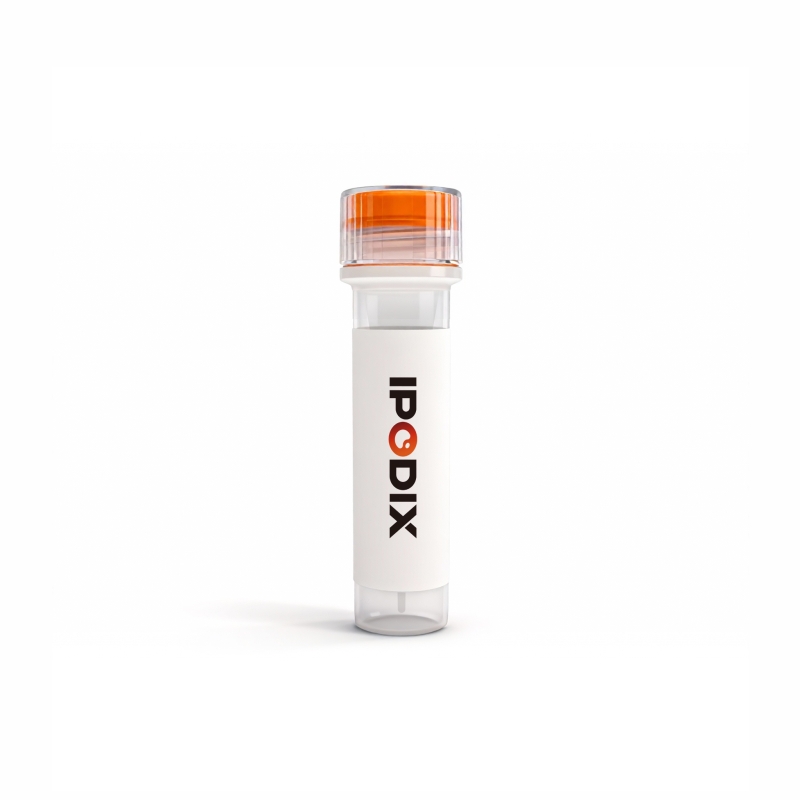
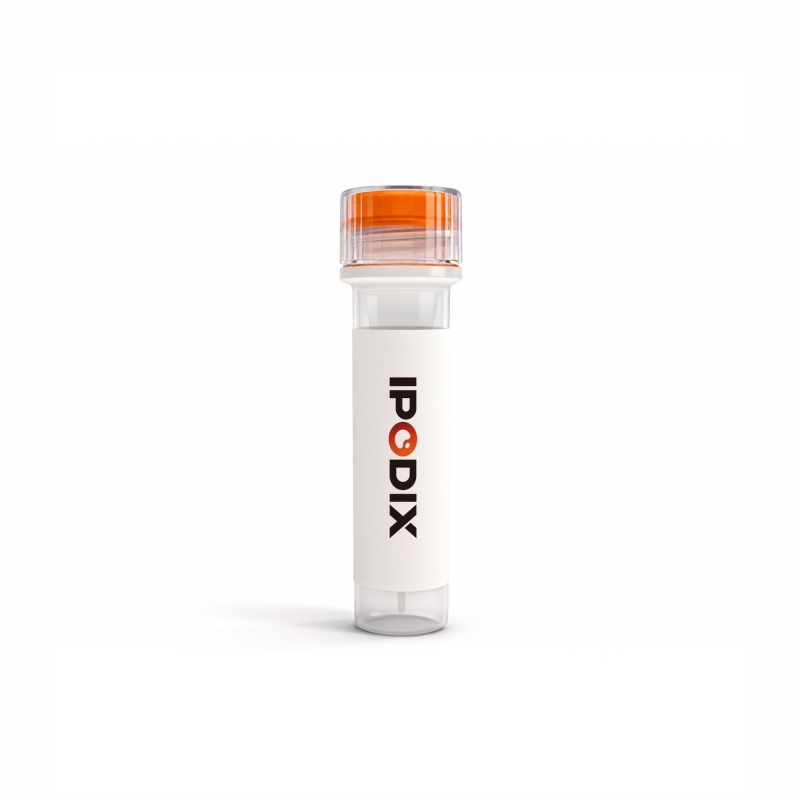
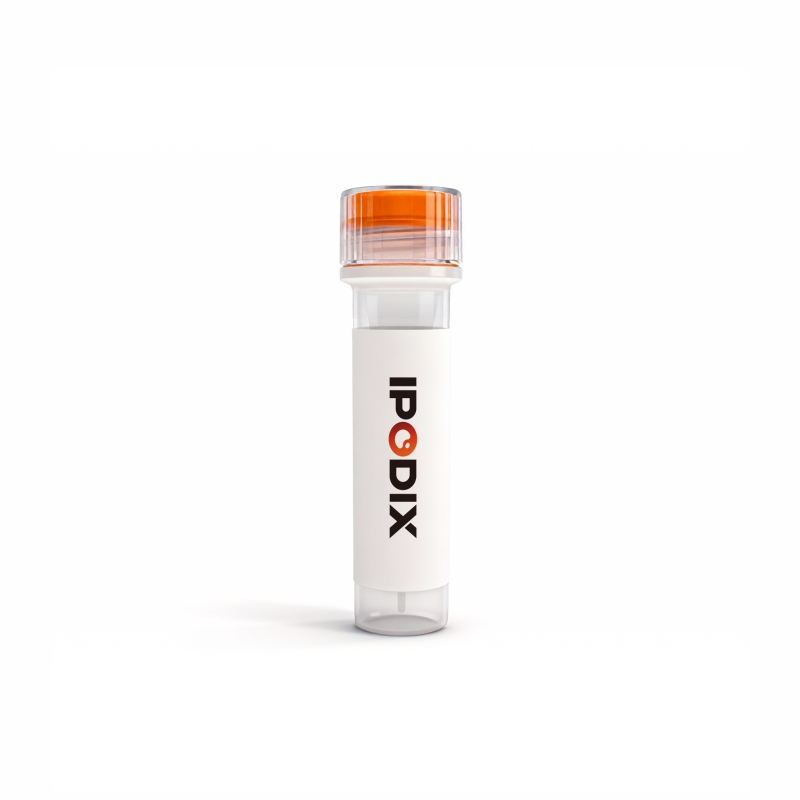
Form
Freeze-dried powder
-
Buffer formulation
PBS, pH7.4, containing 0.01% SKL, 1mM DTT, 5% Trehalose and Proclin300.
-
Reconstitution
Reconstitute in ddH2O to a concentration of 0.1-0.5 mg/mL. Do not vortex.
- Customization
-
Stability Test
The thermal stability is described by the loss rate. The loss rate was determined by accelerated thermal degradation test, that is, incubate the protein at 37℃ for 48h, and no obvious degradation and precipitation were observed. The loss rate isless than 8% within the expiration date under appropriate storage condition.
-
Storage & Shelf Life
Samples are stable for up to twelve months from date of receipt at -20℃ to -80℃. Store it under sterile conditions at -20℃ to -80℃. It is recommended that the protein be aliquoted for optimal storage. Avoid repeated freeze-thaw cycles.
-
Shipping
In general, recombinant proteins are supplied as lyophilized powder and shipped at ambient temperature. For bulk packages, the proteins are provided as frozen liquid and shipped with blue ice, unless otherwise requested by the customer.
Quality inspection process

Related Products
Protein Description
FUT10, or fucosyltransferase 10, is an enzyme belonging to the fucosyltransferase family, which plays a critical role in the synthesis of fucosylated glycans. These fucosylated structures are important for various biological processes, including cell-cell interactions, immune response, and cancer progression. Recent studies have highlighted the involvement of FUT10 in the modulation of glycosylation patterns, which can significantly influence cell signaling pathways and disease mechanisms. Dysregulation of FUT10 expression has been associated with several pathological conditions, particularly in cancers where altered glycosylation can affect tumor growth and metastasis. Research into the recombinant expression of FUT10 protein aims to elucidate its functional properties and mechanistic roles in glycan biosynthesis. By producing FUT10 in a recombinant system, scientists can investigate its enzymatic activity, substrate specificity, and interactions with other molecules, thereby enhancing our understanding of its contribution to glycosylation-related diseases. Furthermore, the availability of recombinant FUT10 will facilitate the development of therapeutic strategies that target fucosylation processes, potentially leading to novel treatments for cancer and other diseases characterized by aberrant glycosylation patterns. As such, the study of FUT10 and its recombinant protein represents a promising avenue for advancing our knowledge of glycosylation biology and its implications in human health and disease.







