

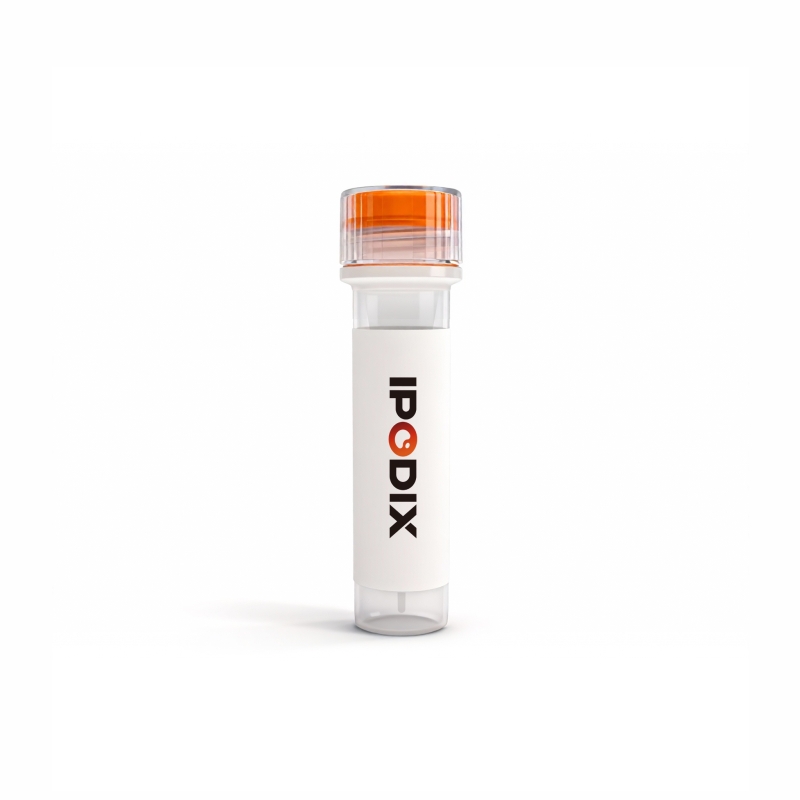
Analytical Data
-
Gene name
FES
- Application
-
Alternative Names
FES;FPS;Tyrosine-Protein kinase Fes/Fps
-
Species
Human
-
Source
E. coli
-
Tag
His tag N-Terminus
-
Purity
Greater than 90% as determined by SDS-PAGE.
-
Uniprot
P07332
-
Expression Region
2-822aa
-
AA Sequence
GFSSELCSPQGHGVLQQMQEAELRLLEGMRKWMAQRVKSDREYAGLLHHM SLQDSGGQSRAISPDSPISQSWAEITSQTEGLSRLLRQHAEDLNSGPLSK LSLLIRERQQLRKTYSEQWQQLQQELTKTHSQDIEKLKSQYRALARDSAQ AKRKYQEASKDKDRDKAKDKYVRSLWKLFAHHNRYVLGVRAAQLHHQHHH QLLLPGLLRSLQDLHEEMACILKEILQEYLEISSLVQDEVVAIHREMAAA AARIQPEAEYQGFLRQYGSAPDVPPCVTFDESLLEEGEPLEPGELQLNE LTVESVQHTLTSVTDELAVATEMVFRRQEMVTQLQQELRNEEENTHPRE RVQLLGKRQVLQEALQGLQVALCSQAKLQAQQELLQTKLEHLGPGEPPPV LLLQDDRHSTSSSEQEREGGR TPTLEILKSHISGIFRPKFSLPPPLQL IPEVQKPLHEQLWYHGAIPRAEVAELLVHSGDFLVRESQGKQEYVLSVLW DGLPRHFIIQSLDNLYRLEGEGFPSIPLLIDHLLSTQQPLTKKSGVVLHR AVPKDKWVLNHEDLVLGEQIGRGNFGEVFSGRLRADNTLVAVKSCRETLP PDLKAKFLQEARILKQYSHPNIVRLIGVCTQKQPIYIVMELVQGGDFLTF LRTEGARLRVKTLLQMVGDAAAGMEYLESKCCIHRDLAARNCLVTEKNVL KISDFGMSREEADGVYAASGGLRQVPVKWTAPEALNYGRYSSESDVWSFG ILLWETFSLGASPYPNLSNQQTREFVEKGGRLPCPELCPDAVFRLMEQCW AYEPGQRPSFSTIYQELQSIRKRHR
-
Molecular Weight
95 kDa
-
Endotoxin
< 1.0 EU per μg protein as determined by the LAL method.
-
Form
Freeze-dried powder
-
Buffer formulation
PBS, pH7.4, containing 0.01% SKL, 1mM DTT, 5% Trehalose and Proclin300.
-
Reconstitution
Reconstitute in ddH2O to a concentration of 0.1-0.5 mg/mL. Do not vortex.
- Customization
-
Stability Test
The thermal stability is described by the loss rate. The loss rate was determined by accelerated thermal degradation test, that is, incubate the protein at 37℃ for 48h, and no obvious degradation and precipitation were observed. The loss rate isless than 8% within the expiration date under appropriate storage condition.
-
Storage & Shelf Life
Samples are stable for up to twelve months from date of receipt at -20℃ to -80℃. Store it under sterile conditions at -20℃ to -80℃. It is recommended that the protein be aliquoted for optimal storage. Avoid repeated freeze-thaw cycles.
-
Shipping
In general, recombinant proteins are supplied as lyophilized powder and shipped at ambient temperature. For bulk packages, the proteins are provided as frozen liquid and shipped with blue ice, unless otherwise requested by the customer.
Quality inspection process

Related Products
Protein Description
FES (Feline Sarcoma Virus Early Gene Sequence) recombinant proteins have gained significant attention in the field of molecular biology and biotechnology due to their potential applications in understanding cellular processes and developing therapeutic strategies. These proteins, originally derived from the feline sarcoma virus, are involved in various cellular functions, including signal transduction, cell proliferation, and oncogenic transformation. The study of FES has revealed its role in modulating immune responses and its implication in certain cancers, making it a target of interest for drug development and targeted therapies. Advances in recombinant DNA technology have facilitated the production of FES proteins in suitable expression systems, enabling researchers to investigate their biological functions in detail. This research background emphasizes the importance of FES recombinant proteins in elucidating the molecular mechanisms underlying disease and exploring new avenues for therapeutic intervention. By generating these proteins, scientists can conduct functional assays, study protein interactions, and develop specific inhibitors, thus contributing to the advancement of molecular medicine and cancer research. Moreover, the study of FES and its derived proteins holds promise for the development of biomarkers and targeted treatments that could improve patient outcomes in diseases associated with FES dysregulation. Overall, the investigation of FES recombinant proteins represents a vital area of research with the potential to yield significant insights into cellular dynamics and innovative therapeutic approaches.







