

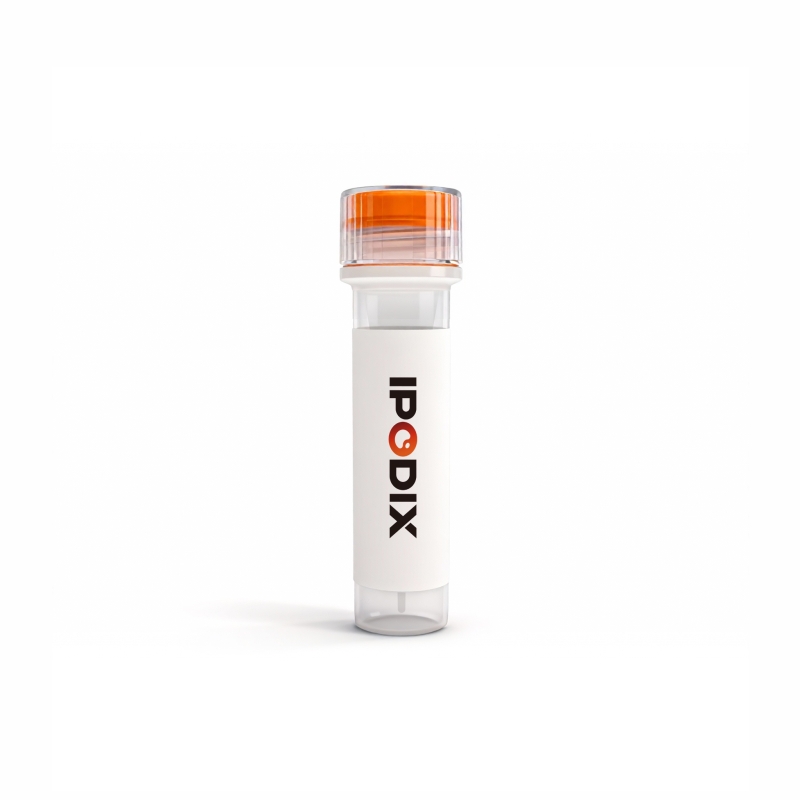
Analytical Data
-
Gene name
Cyp3a13
- Application
-
Alternative Names
Cyp3a13;Cyp3a-13;Cytochrome P450 3A13
-
Species
Mouse
-
Source
E. coli
-
Tag
His tag N-Terminus
-
Purity
Greater than 90% as determined by SDS-PAGE.
-
Uniprot
Q64464
-
Expression Region
1-503aa
-
AA Sequence
MDLIPNFSMETWMLLATSLVLLYLYGTHSHGIFKKLGIPGPKPLPFLGTILAYQKGFWECDIQCHKKYGKMWGLYDGRQPVLAITDPDIIKTVLVKECYSTFTNRRRFGPVGILKKAISISENEEWKRIRALLSPTFTSGRLKEMFPIINQFTDVLVRNMRQGLGEGKPTSMKDIFGAYSMDVITATSFGVNIDSLNNPQDPFVEKIKKLLKFDIFDPLFLSVTLFPFLTPVFDALNVSLFPRDVISFFTTSVERMKENRMKEKEKQRVDFLQLMINSQNYKTKESHKALSDVEIVAQSVIFIFAGYETTSSALSFALYLLAIHPDVQKKLQDEIDAALPNKAPATYDTLLQMEYLDMVVNETLRLYPIAGRLERVCKTDVEINGLFIPKGTVVMIPTFALHKDPKYWPEPEEFRPERFSKKNQDSINPYMYLPFGSGPRNCIGMRFALINMKVALVRVLQNFTVQPCKETEIPLKLSKQGLLQPENPLLLKVVSRDETVSDE
-
Molecular Weight
73.5 kDa
-
Endotoxin
< 1.0 EU per μg protein as determined by the LAL method.
-
Form
Freeze-dried powder
-
Buffer formulation
PBS, pH7.4, containing 0.01% SKL, 1mM DTT, 5% Trehalose and Proclin300.
-
Reconstitution
Reconstitute in ddH2O to a concentration of 0.1-0.5 mg/mL. Do not vortex.
- Customization
-
Stability Test
The thermal stability is described by the loss rate. The loss rate was determined by accelerated thermal degradation test, that is, incubate the protein at 37℃ for 48h, and no obvious degradation and precipitation were observed. The loss rate isless than 8% within the expiration date under appropriate storage condition.
-
Storage & Shelf Life
Samples are stable for up to twelve months from date of receipt at -20℃ to -80℃. Store it under sterile conditions at -20℃ to -80℃. It is recommended that the protein be aliquoted for optimal storage. Avoid repeated freeze-thaw cycles.
-
Shipping
In general, recombinant proteins are supplied as lyophilized powder and shipped at ambient temperature. For bulk packages, the proteins are provided as frozen liquid and shipped with blue ice, unless otherwise requested by the customer.
Quality inspection process

Related Products
Protein Description
CYP3A13 is a member of the cytochrome P450 family of enzymes, which play a crucial role in the metabolism of various xenobiotics and endogenous compounds. Particularly, CYP3A13 is predominantly expressed in the liver and is involved in the metabolism of many drugs, including statins, antidepressants, and antiretrovirals. Its importance in pharmacogenomics cannot be overstated, as genetic polymorphisms in CYP3A13 can influence individual responses to medication, leading to variations in drug efficacy and the risk of adverse effects. The enzyme's role in drug metabolism and detoxification is vital for understanding inter-individual variability in drug clearance and toxicity. Research into CYP3A13 recombinant protein aims to elucidate its enzymatic mechanisms, substrate specificity, and regulation, providing insights into how genetic variations can impact enzyme function. These studies hold significant implications in clinical settings, particularly in personalized medicine, where understanding an individual's metabolic capabilities can lead to more effective and safer therapeutic strategies. Furthermore, investigations into CYP3A13 could enhance our understanding of drug-drug interactions and the potential impact of environmental factors on enzyme activity. As such, recombinant CYP3A13 serves as a valuable tool in both basic research and applied sciences, contributing to the development of better therapeutic regimens and promoting safe drug usage across diverse populations.







