

Analytical Data
-
Gene name
FGA
- Application
-
Alternative Names
FGA;Fibrinogen alpha chain
-
Species
Human
-
Source
E. coli
-
Tag
His tag N-Terminus
-
Purity
Greater than 90% as determined by SDS-PAGE.
-
Uniprot
Q8WW76
-
Expression Region
36-218aa
-
AA Sequence
GPRVVERHQSACKDSDWPFCSGEDWNYKCPSGCRMKGLIDEVNQDFTNRINKLKNSLFEYQKNNKDSHSLTTNIMEILRGDFSSANNRDNTYNRVSEDLRSRIEVLKRKVIEKVTANNLLVARVTTEETPHLKARAIKWQMRPEVKPIMKEHIAPREAMLNLALSEVSTLLLWGSLPCPPRLS
-
Molecular Weight
25.1 kDa
-
Endotoxin
< 1.0 EU per μg protein as determined by the LAL method.
-
Form
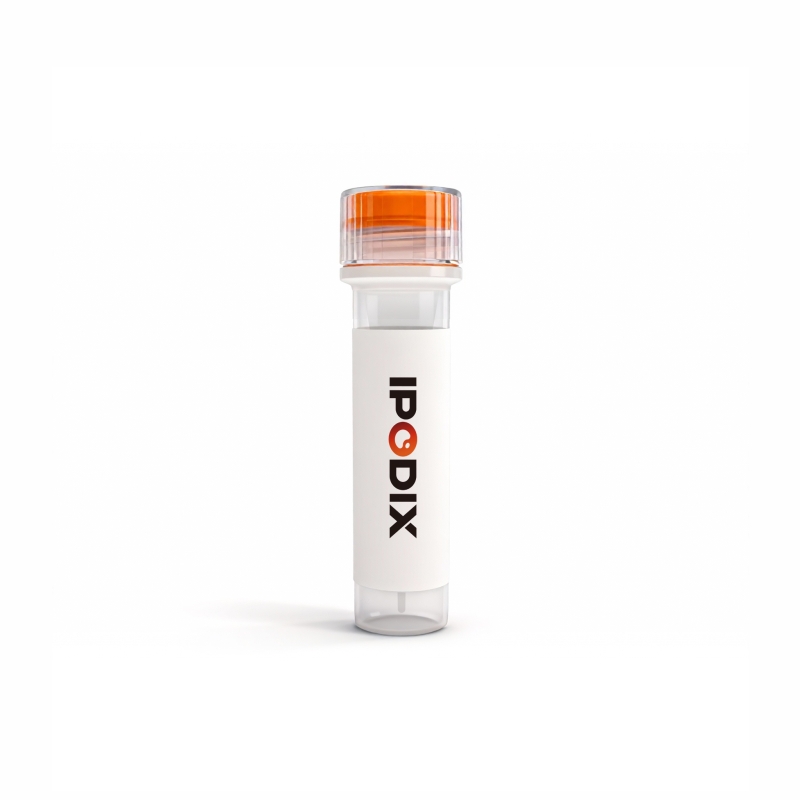
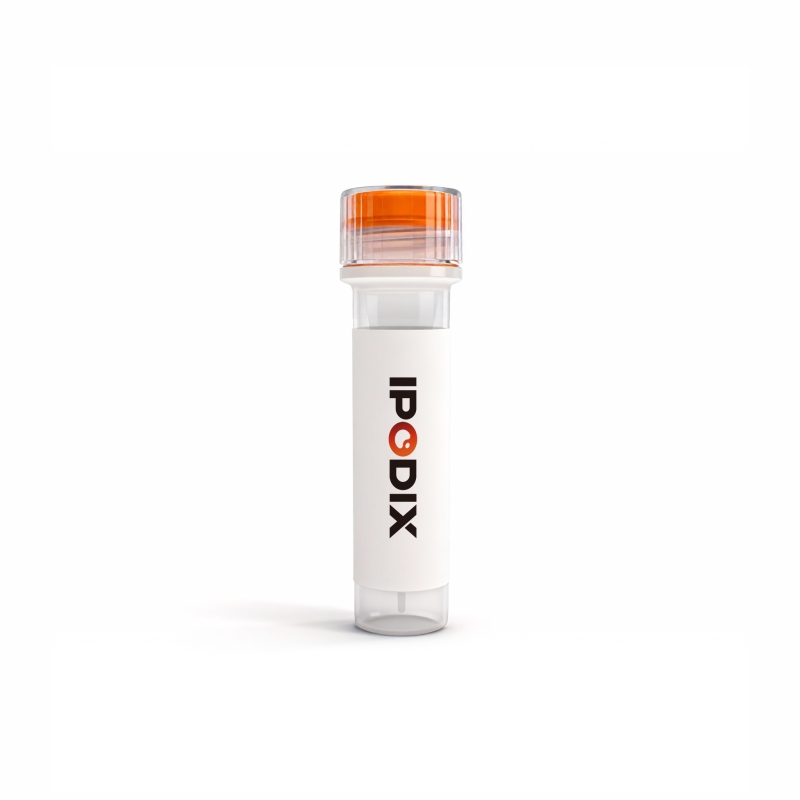
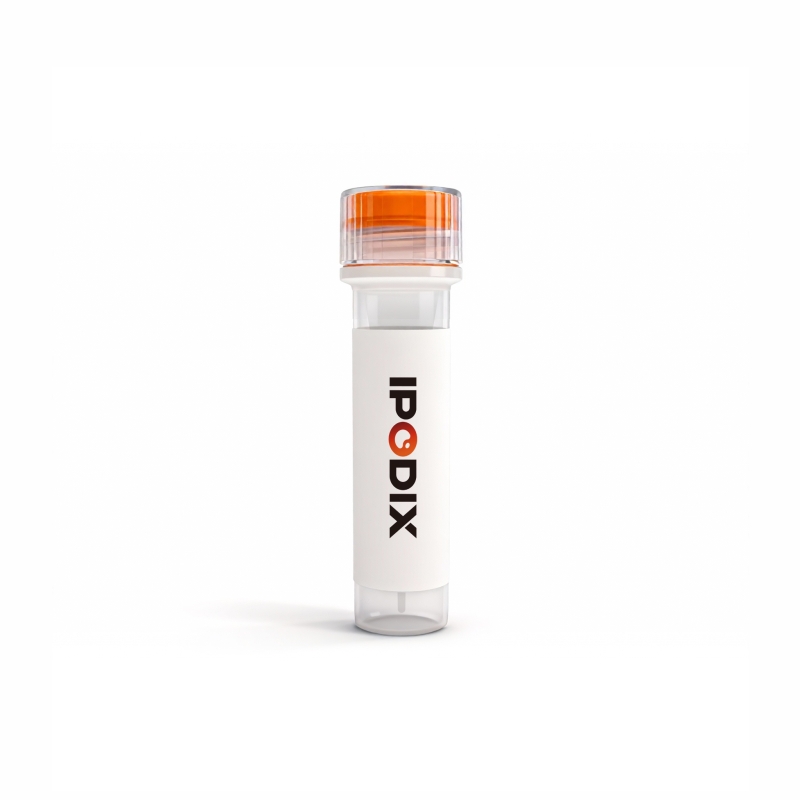
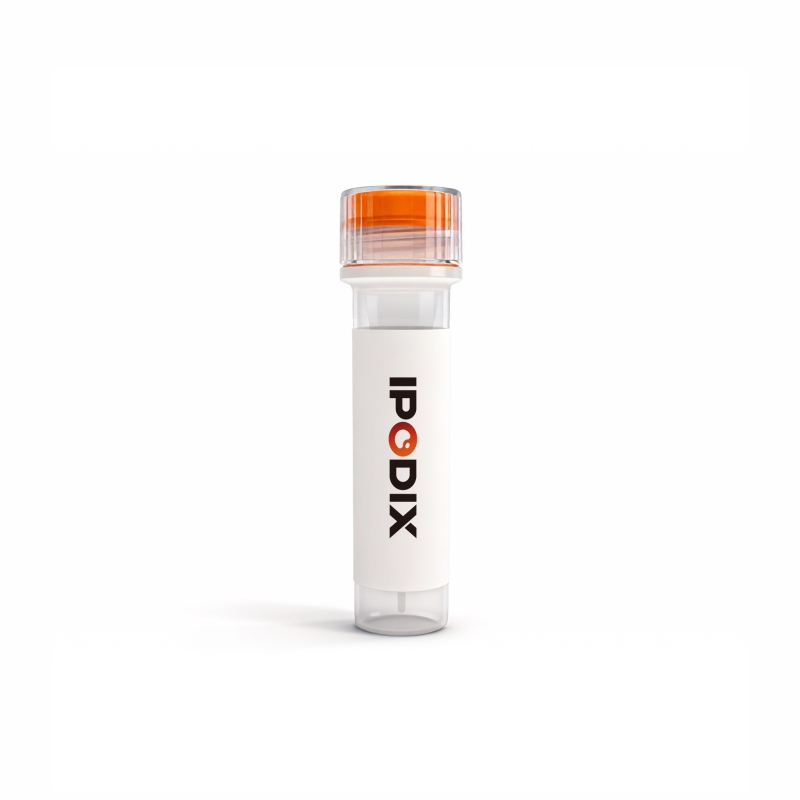
Freeze-dried powder
-
Buffer formulation
PBS, pH7.4, containing 0.01% SKL, 1mM DTT, 5% Trehalose and Proclin300.
-
Reconstitution
Reconstitute in ddH2O to a concentration of 0.1-0.5 mg/mL. Do not vortex.
- Customization
-
Stability Test
The thermal stability is described by the loss rate. The loss rate was determined by accelerated thermal degradation test, that is, incubate the protein at 37℃ for 48h, and no obvious degradation and precipitation were observed. The loss rate isless than 8% within the expiration date under appropriate storage condition.
-
Storage & Shelf Life
Samples are stable for up to twelve months from date of receipt at -20℃ to -80℃. Store it under sterile conditions at -20℃ to -80℃. It is recommended that the protein be aliquoted for optimal storage. Avoid repeated freeze-thaw cycles.
-
Shipping
In general, recombinant proteins are supplied as lyophilized powder and shipped at ambient temperature. For bulk packages, the proteins are provided as frozen liquid and shipped with blue ice, unless otherwise requested by the customer.
Quality inspection process

Related Products
Protein Description
The FGA protein, also known as fibrinogen alpha chain, is a crucial component of the fibrinogen molecule, which plays a significant role in the blood coagulation process. Fibrinogen is primarily synthesized in the liver and is vital for the formation of blood clots, acting as a bridge between platelets and facilitating wound healing. Research into recombinant FGA has gained momentum due to its potential applications in clinical settings, particularly in treating bleeding disorders and in surgery where rapid hemostasis is required. The recombinant production of FGA offers several advantages, including the ability to produce high-purity proteins free of pathogens, customization of protein properties, and the possibility of significant scalability. Recent advances in biotechnology, particularly in the realms of genetic engineering and cell culture technologies, have led to more efficient methods for producing recombinant proteins, enhancing the feasibility of developing therapeutic FGA. Studies have also explored the structural and functional characteristics of recombinant FGA to better understand its interactions in the coagulation cascade. As interest in developing innovative therapies for patients with coagulation deficiencies continues to grow, the research on FGA and its recombination is critical to improving treatment options and patient outcomes in a variety of medical contexts.







