

Analytical Data
-
Gene name
Peroxiredoxin 6
- Application
-
Alternative Names
PRDX3;AOP1;Thioredoxin-dependent peroxide reductase. mitochondrial
-
Species
Human
-
Source
E. coli
-
Tag
His tag N-Terminus
-
Purity
Greater than 90% as determined by SDS-PAGE.
-
Uniprot
P30041
-
Expression Region
2-224aa
-
AA Sequence
PGGLLLGDV APNFEANTTV GRIRFHDFLG DSWGILFSHP RDFTPVCTTE LGRAAKLAPE FAKRNVKLIA LSIDSVEDHL AWSKDINAYN CEEPTEKLPF PIIDDRNREL AILLGMLDPA EKDEKGMPVT ARVVFVFGPD KKLKLSILYP ATTGRNFDEI LRVVISLQLT AEKRVATPVD WKDGDSVMVL PTIPEEEAKK LFPKGVFTKE LPSGKKYLRY TPQP
-
Endotoxin
< 1.0 EU per μg protein as determined by the LAL method.
-
Form
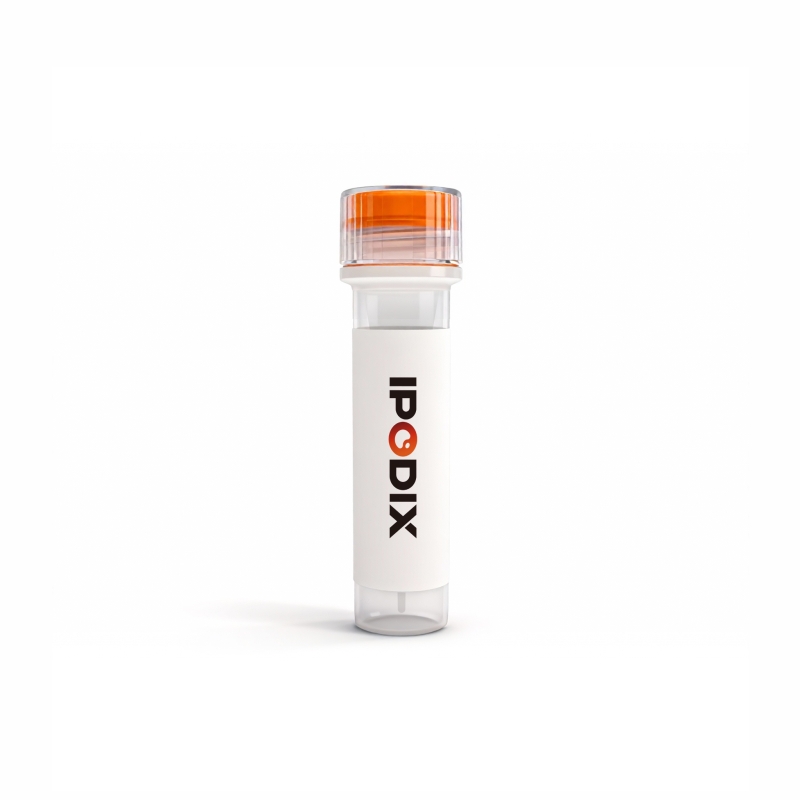
Freeze-dried powder
-
Buffer formulation
PBS, pH7.4, containing 0.01% SKL, 1mM DTT, 5% Trehalose and Proclin300.
-
Reconstitution
Reconstitute in ddH2O to a concentration of 0.1-0.5 mg/mL. Do not vortex.
- Customization
-
Stability Test
The thermal stability is described by the loss rate. The loss rate was determined by accelerated thermal degradation test, that is, incubate the protein at 37℃ for 48h, and no obvious degradation and precipitation were observed. The loss rate isless than 8% within the expiration date under appropriate storage condition.
-
Storage & Shelf Life
Samples are stable for up to twelve months from date of receipt at -20℃ to -80℃. Store it under sterile conditions at -20℃ to -80℃. It is recommended that the protein be aliquoted for optimal storage. Avoid repeated freeze-thaw cycles.
-
Shipping
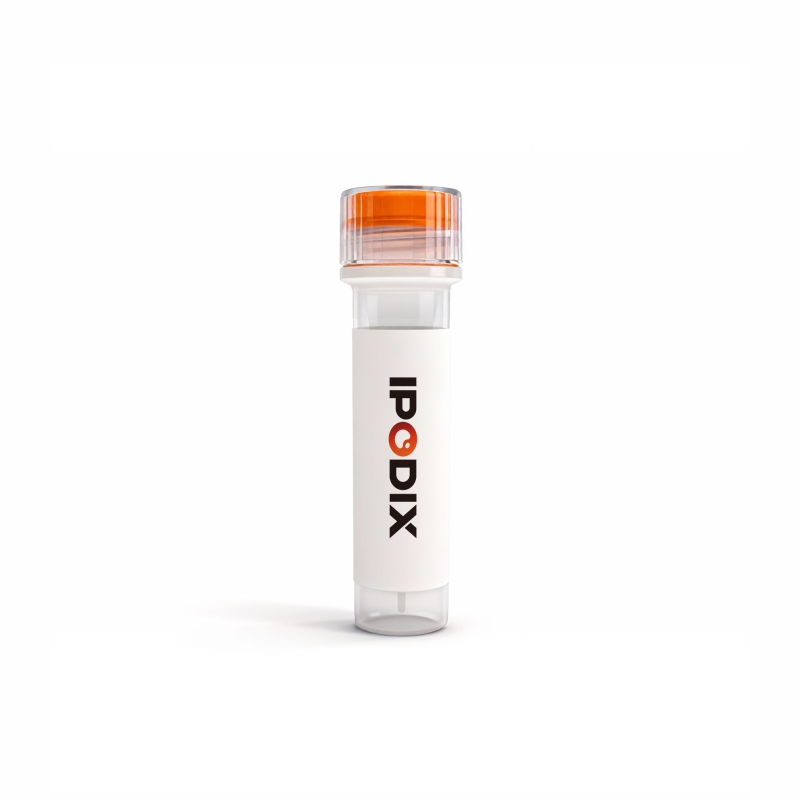
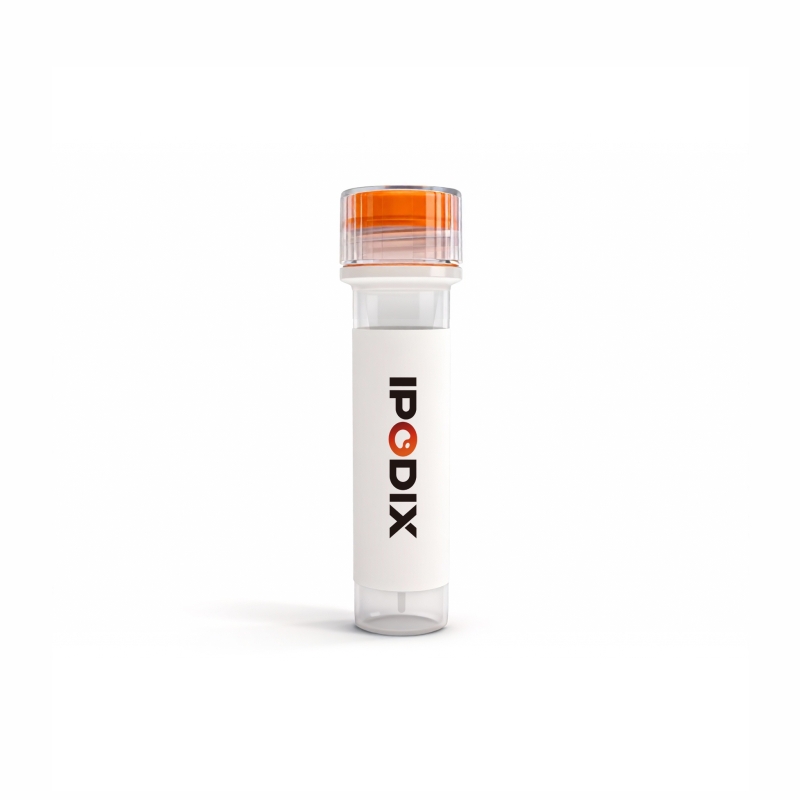
In general, recombinant proteins are supplied as lyophilized powder and shipped at ambient temperature. For bulk packages, the proteins are provided as frozen liquid and shipped with blue ice, unless otherwise requested by the customer.
Quality inspection process

Related Products
Protein Description
Peroxiredoxin 6 (Prx6) is a member of the peroxiredoxin family of antioxidant enzymes, which play a crucial role in cellular defense against oxidative stress. It exhibits both peroxidase and phospholipase A2 activities, making it a unique contributor to cellular redox homeostasis and lipid metabolism. Dysregulation of Prx6 has been implicated in various diseases, including cancer, neurodegenerative disorders, and respiratory diseases, highlighting its potential as a therapeutic target. Additionally, Prx6 is involved in various signaling pathways, influencing cell proliferation and apoptosis. The study of recombinant Prx6 protein enables deeper understanding of its structure-function relationships and biochemical properties. By producing it in a recombinant system, researchers can achieve higher yields and purity, facilitating detailed investigations into its enzymatic mechanisms and role in pathophysiology. This research not only provides insights into the fundamental biology of oxidative stress but also paves the way for potential therapeutic interventions that harness the protective effects of Prx6 in disease contexts.







