

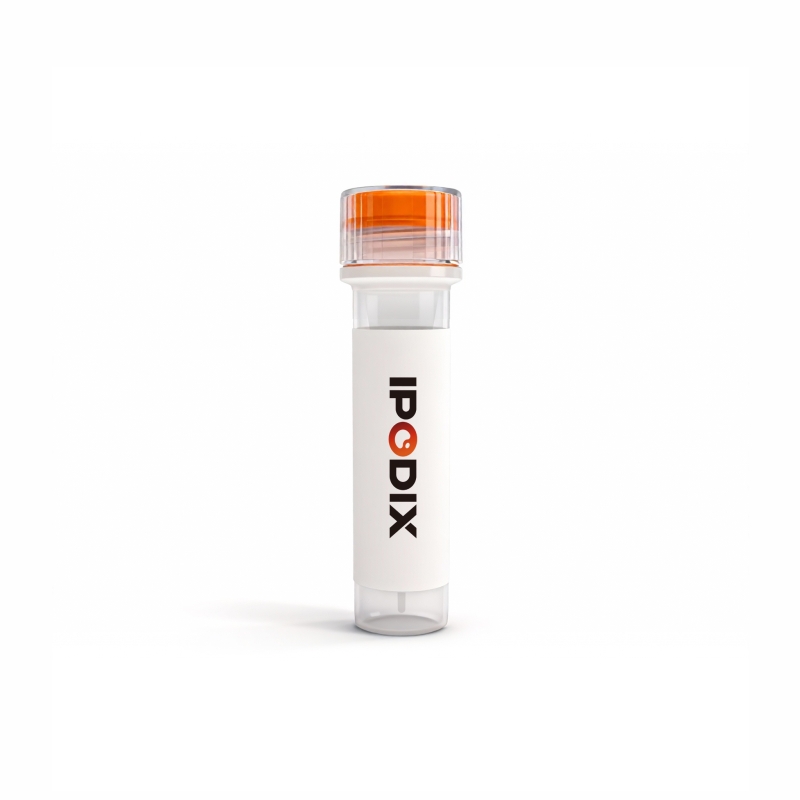
Analytical Data
-
Gene name
gsk
- Application
-
Species
Escherichia coli
-
Source
E. coli
-
Tag
N- His & C- Myc
-
Purity
Greater than 90% as determined by SDS-PAGE.
-
Uniprot
P0AEW6
-
Expression Region
1-434aa
-
Molecular Weight
55.9 kDa
-
Endotoxin
< 1.0 EU per μg protein as determined by the LAL method.
-
Form
Freeze-dried powder
-
Buffer formulation
PBS, pH7.4, containing 0.01% SKL, 1mM DTT, 5% Trehalose and Proclin300.
-
Reconstitution
Reconstitute in ddH2O to a concentration of 0.1-0.5 mg/mL. Do not vortex.
- Customization
-
Stability Test
The thermal stability is described by the loss rate. The loss rate was determined by accelerated thermal degradation test, that is, incubate the protein at 37℃ for 48h, and no obvious degradation and precipitation were observed. The loss rate isless than 8% within the expiration date under appropriate storage condition.
-
Storage & Shelf Life
Samples are stable for up to twelve months from date of receipt at -20℃ to -80℃. Store it under sterile conditions at -20℃ to -80℃. It is recommended that the protein be aliquoted for optimal storage. Avoid repeated freeze-thaw cycles.
-
Shipping
In general, recombinant proteins are supplied as lyophilized powder and shipped at ambient temperature. For bulk packages, the proteins are provided as frozen liquid and shipped with blue ice, unless otherwise requested by the customer.
Quality inspection process

Related Products
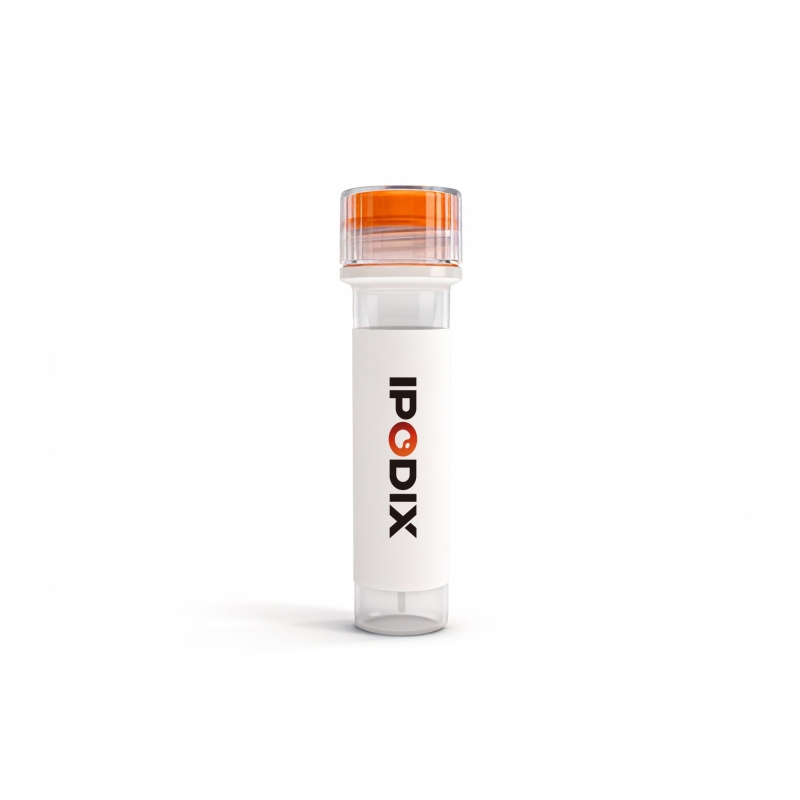
Protein Description
GlaxoSmithKline (GSK) has invested significant resources into the research and development of recombinant proteins, driven by their potential applications in therapeutic and vaccine development. Recombinant proteins are engineered using genetic engineering techniques, allowing for the production of proteins that can mimic natural ones or possess novel functionalities. This technology has revolutionized the biopharmaceutical industry by enabling the creation of biologics that can effectively treat a variety of diseases, including cancer, autoimmune disorders, and infectious diseases. GSK’s approach focuses on harnessing advanced expression systems, such as mammalian and microbial cells, to produce high-quality recombinant proteins. Their research has also emphasized optimizing the protein structure for enhanced efficacy and reduced immunogenicity, thereby improving patient outcomes. As the demand for innovative therapies continues to rise, GSK aims to leverage its expertise in recombinant protein technology to develop next-generation biologics, ultimately contributing to the advancement of medicine and public health. The ongoing exploration in this field is indicative of GSK's commitment to addressing unmet medical needs through cutting-edge scientific advancements.







