

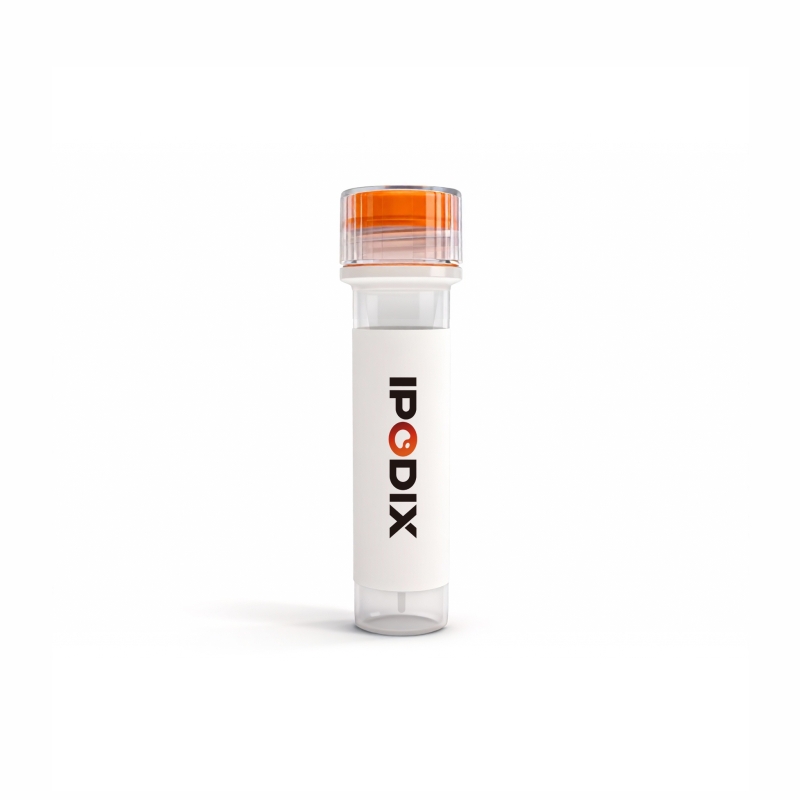
Analytical Data
-
Gene name
BLC
- Application
-
Alternative Names
BLC;BCA1;BLC;SCYB13;C-X-C motif chemokine 13
-
Species
Human
-
Source
E. coli
-
Tag
His tag N-Terminus
-
Purity
Greater than 90% as determined by SDS-PAGE.
-
Uniprot
O43927
-
Expression Region
23-109aa
-
AA Sequence
VLEVYYTSLR CRCVQESSVF IPRRFIDRIQ ILPRGNGCPR KEIIVWKKNK SIVCVDPQAE WIQRMMEVLR KRSSSTLPVP VFKRKIP
-
Molecular Weight
10.3 kDa
-
Endotoxin
< 1.0 EU per μg protein as determined by the LAL method.
-
Form
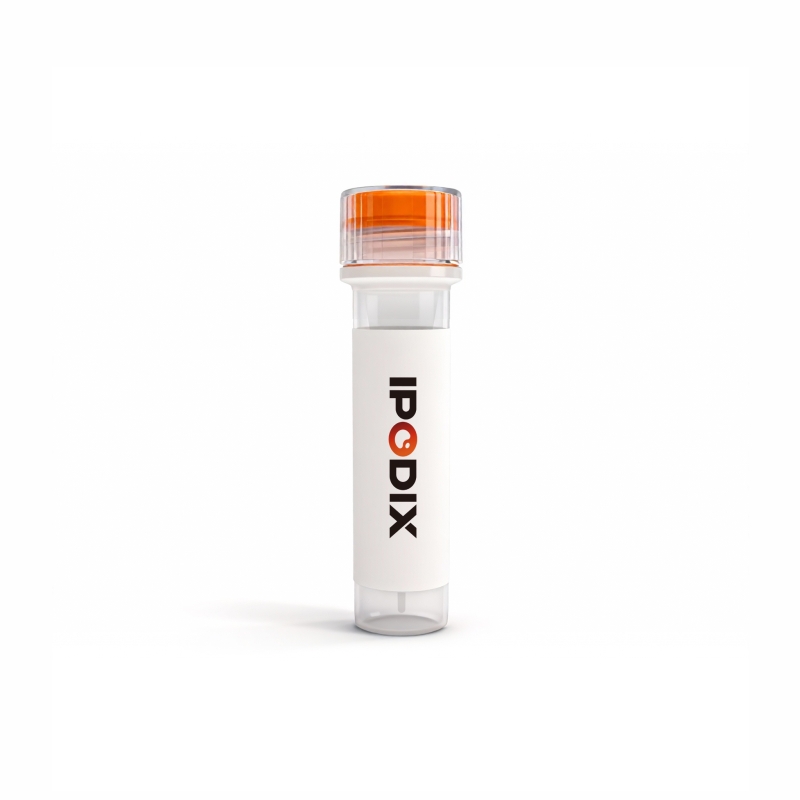
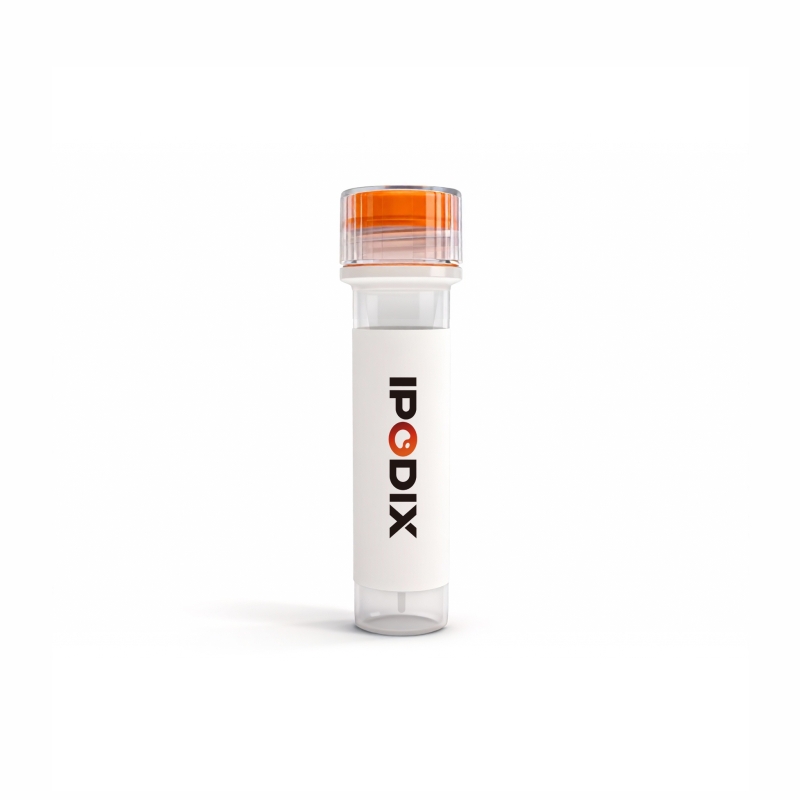
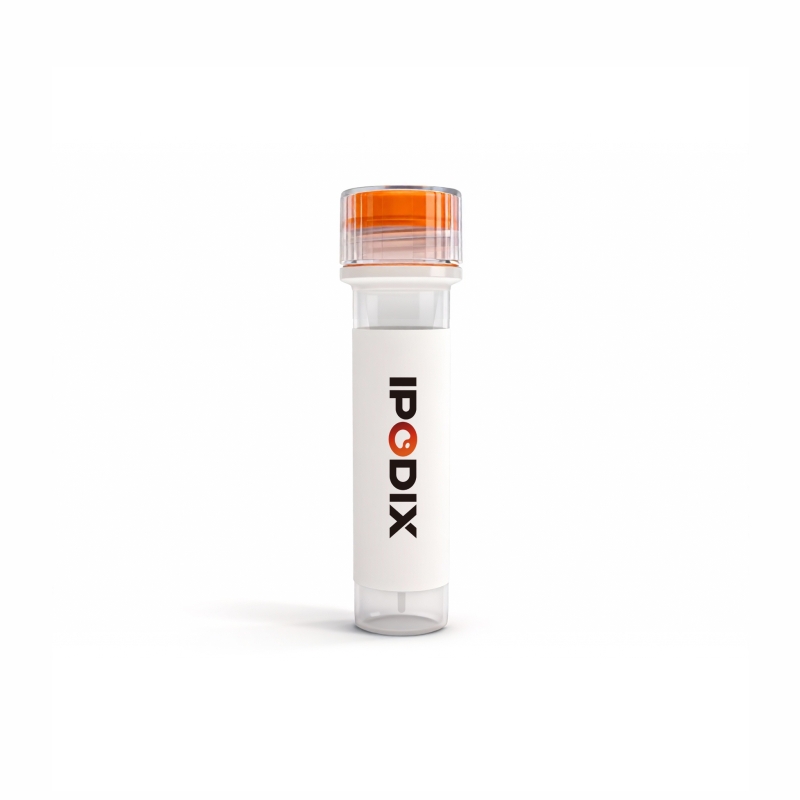
Freeze-dried powder
-
Buffer formulation
PBS, pH7.4, containing 0.01% SKL, 1mM DTT, 5% Trehalose and Proclin300.
-
Reconstitution
Reconstitute in ddH2O to a concentration of 0.1-0.5 mg/mL. Do not vortex.
- Customization
-
Stability Test
The thermal stability is described by the loss rate. The loss rate was determined by accelerated thermal degradation test, that is, incubate the protein at 37℃ for 48h, and no obvious degradation and precipitation were observed. The loss rate isless than 8% within the expiration date under appropriate storage condition.
-
Storage & Shelf Life
Samples are stable for up to twelve months from date of receipt at -20℃ to -80℃. Store it under sterile conditions at -20℃ to -80℃. It is recommended that the protein be aliquoted for optimal storage. Avoid repeated freeze-thaw cycles.
-
Shipping
In general, recombinant proteins are supplied as lyophilized powder and shipped at ambient temperature. For bulk packages, the proteins are provided as frozen liquid and shipped with blue ice, unless otherwise requested by the customer.
Quality inspection process

Related Products
Protein Description
BLC (B-Cell Lymphoma) recombinant proteins have gained significant attention in recent years due to their potential applications in cancer therapy and immunology. BLC is a chemokine that plays a critical role in the immune response by attracting B cells to sites of inflammation and infection. Research into BLC recombinant proteins focuses on understanding their structure, function, and interactions within the immune system. The development of these proteins involves advanced biotechnological techniques, enabling scientists to produce them in sufficient quantities for therapeutic use. Additionally, studies have shown that BLC and its receptors may be implicated in the progression of various types of cancers, including lymphomas, leading to increased interest in creating targeted therapies. By elucidating the mechanisms through which BLC mediates immune responses and tumorigenesis, researchers hope to identify novel treatment strategies that leverage the body's immune system to combat cancer. The recombinant forms of BLC are being explored in preclinical and clinical trials, aiming to enhance their efficacy and reduce side effects associated with conventional therapies. Overall, the exploration of BLC recombinant proteins represents a promising frontier in cancer research and immunotherapy, with the potential to improve patient outcomes and shed light on the intricate workings of the immune system.







