

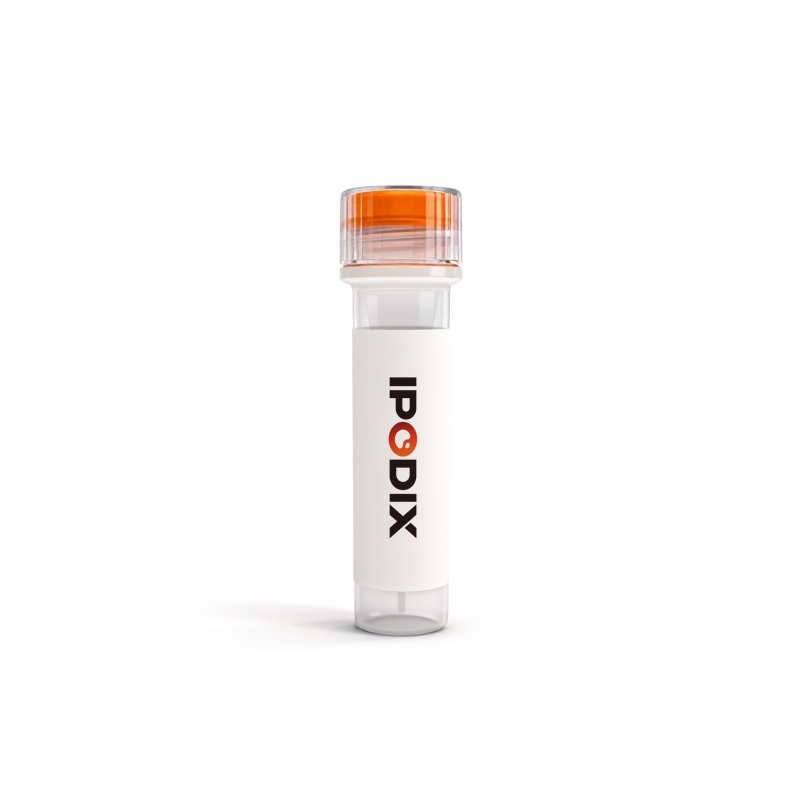
Analytical Data
-
Gene name
IPF
- Application
-
Alternative Names
IPF;IPF1;STF1;Pancreas/duodenum homeobox Protein 1
-
Species
Human
-
Source
E. coli
-
Tag
His tag N-Terminus
-
Purity
Greater than 90% as determined by SDS-PAGE.
-
Uniprot
P52945
-
Expression Region
1-283aa
-
AA Sequence
MNGEEQYYAA TQLYKDPCAF QRGPAPEFSA SPPACLYMGR QPPPPPPHPF PGALGALEQG SPPDISPYEV PPLADDPAVA HLHHHLPAQL ALPHPPAGPF PEGAEPGVLE EPNRVQLPFP WMKSTKAHAW KGQWAGGAYA AEPEENKRTR TAYTRAQLLE LEKEFLFNKY ISRPRRVELA VMLNLTERHI KIWFQNRRMK WKKEEDKKRG GGTAVGGGGV AEPEQDCAVT SGEELLALPP PPPPGGAVPP AAPVAAREGR LPPGLSASPQ PSSVAPRRPQ EPR
-
Endotoxin
< 1.0 EU per μg protein as determined by the LAL method.
-
Form
Freeze-dried powder
-
Buffer formulation
PBS, pH7.4, containing 0.01% SKL, 1mM DTT, 5% Trehalose and Proclin300.
-
Reconstitution
Reconstitute in ddH2O to a concentration of 0.1-0.5 mg/mL. Do not vortex.
- Customization
-
Stability Test
The thermal stability is described by the loss rate. The loss rate was determined by accelerated thermal degradation test, that is, incubate the protein at 37℃ for 48h, and no obvious degradation and precipitation were observed. The loss rate isless than 8% within the expiration date under appropriate storage condition.
-
Storage & Shelf Life
Samples are stable for up to twelve months from date of receipt at -20℃ to -80℃. Store it under sterile conditions at -20℃ to -80℃. It is recommended that the protein be aliquoted for optimal storage. Avoid repeated freeze-thaw cycles.
-
Shipping
In general, recombinant proteins are supplied as lyophilized powder and shipped at ambient temperature. For bulk packages, the proteins are provided as frozen liquid and shipped with blue ice, unless otherwise requested by the customer.
Quality inspection process

Related Products
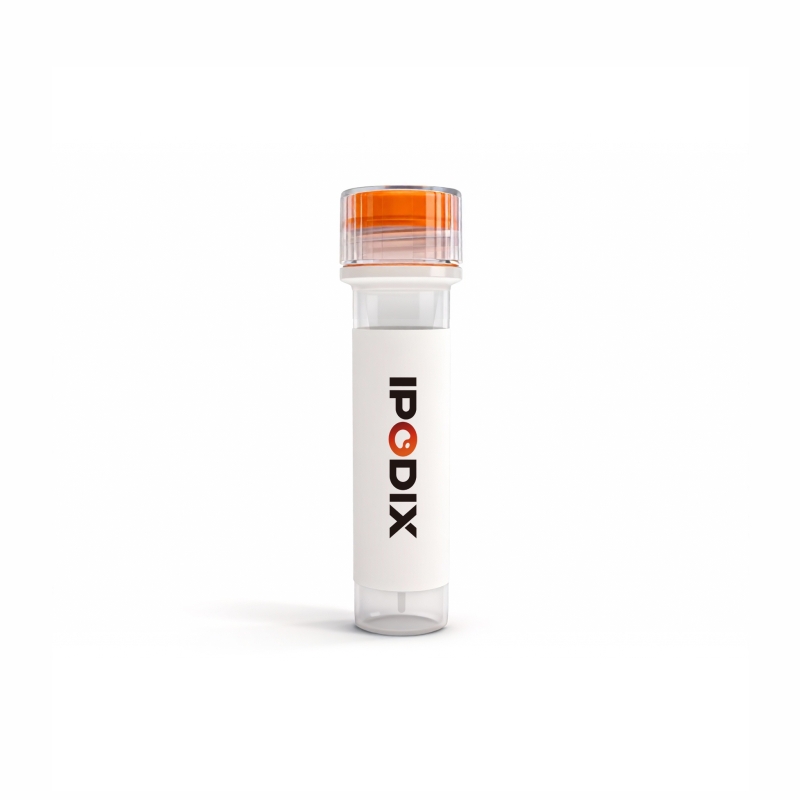
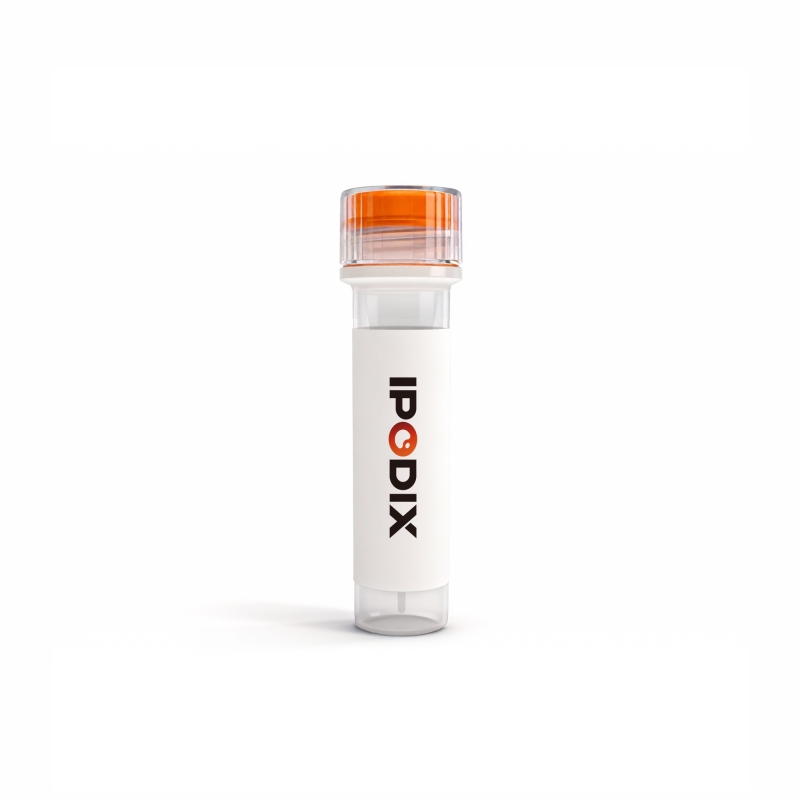
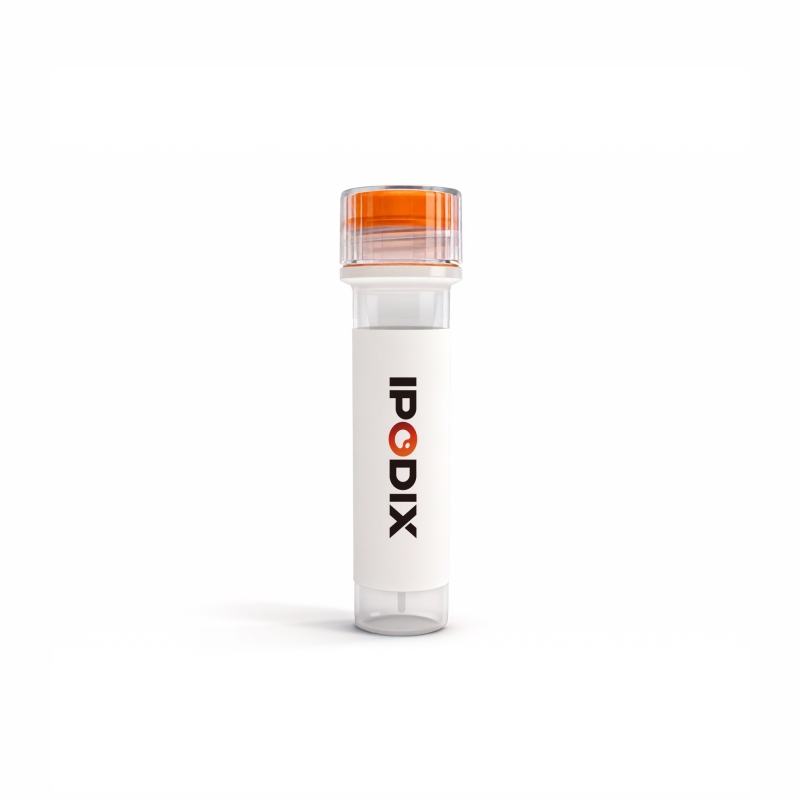
Protein Description
Idiopathic Pulmonary Fibrosis (IPF) is a chronic and progressive lung disease characterized by the accumulation of fibrotic tissue in the alveolar spaces, leading to a decline in pulmonary function and ultimately respiratory failure. Despite considerable research efforts, the precise etiology of IPF remains elusive, complicating effective therapeutic strategies. The dysregulation of epithelial-mesenchymal transition (EMT), fibroblast activation, and inflammatory pathways is thought to play a crucial role in the pathogenesis of IPF. Recent advances in recombinant protein technology have opened new avenues for understanding and potentially treating IPF. Specifically, the development of recombinant proteins that can modulate the cellular processes involved in fibrosis—such as growth factors, cytokines, and extracellular matrix components—offers promising therapeutic avenues. Researchers are exploring the use of these engineered proteins to inhibit fibroblast proliferation, reduce collagen deposition, and ameliorate inflammation in lung tissues. Additionally, investigating the effects of these recombinant proteins in preclinical models may shed light on their roles in the pathological processes driving IPF. This approach not only aids in understanding the underlying mechanisms of the disease but also paves the way for innovative treatment options, potentially improving outcomes for patients suffering from this devastating condition. Thus, the exploration of recombinant proteins represents a significant frontier in the quest to unravel and combat the complexities of IPF.







