

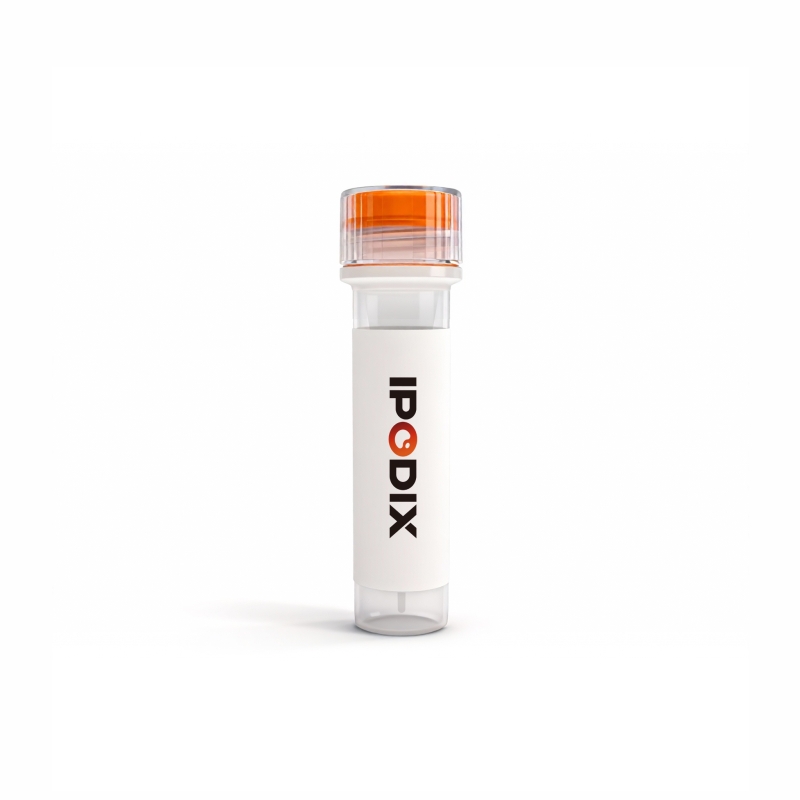
Analytical Data
-
Gene name
HSPB1
- Application
-
Alternative Names
Heat shock 27kDa protein; 28 kDa heat shock protein; CMT2F; DKFZp586P1322; epididymis secretory protein Li 102; Estrogen regulated 24 kDa protein; Estrogen-regulated 24 kDa protein; Heat shock 25kDa protein 1; Heat shock 27 kDa protein; Heat shock 27kD protein 1; Heat shock 27kDa protein 1; Heat shock 28kDa protein 1; Heat Shock Protein 27; Heat shock protein beta 1; Heat shock protein beta-1; heat shock protein family B (small) member 1; HEL-S-102; HMN2B; HS.76067; Hsp 25; HSP 27; Hsp 28; Hsp B1
-
Species
Human
-
Source
E. coli
-
Tag
His tag N-Terminus
-
Purity
Greater than 90% as determined by SDS-PAGE.
-
Uniprot
P04792
-
Expression Region
1-205aa
-
AA Sequence
MTERRVPFSL LRGPSWDPFR DWYPHSRLFD QAFGLPRLPE EWSQWLGGSS WPGYVRPLPP AAIESPAVAA PAYSRALSRQ LSSGVSEIRH TADRWRVSLD VNHFAPDELT VKTKDGVVEI TGKHEERQDE HGYISRCFTR KYTLPPGVDP TQVSSSLSPE GTLTVEAPMP KLATQSNEIT IPVTFESRAQ LGGPEAAKSD ETAAK
-
Molecular Weight
22.7 kDa
-
Endotoxin
< 1.0 EU per μg protein as determined by the LAL method.
-
Form
Freeze-dried powder
-
Buffer formulation
PBS, pH7.4, containing 0.01% SKL, 1mM DTT, 5% Trehalose and Proclin300.
-
Reconstitution
Reconstitute in ddH2O to a concentration of 0.1-0.5 mg/mL. Do not vortex.
- Customization
-
Stability Test
The thermal stability is described by the loss rate. The loss rate was determined by accelerated thermal degradation test, that is, incubate the protein at 37℃ for 48h, and no obvious degradation and precipitation were observed. The loss rate isless than 8% within the expiration date under appropriate storage condition.
-
Storage & Shelf Life
Samples are stable for up to twelve months from date of receipt at -20℃ to -80℃. Store it under sterile conditions at -20℃ to -80℃. It is recommended that the protein be aliquoted for optimal storage. Avoid repeated freeze-thaw cycles.
-
Shipping
In general, recombinant proteins are supplied as lyophilized powder and shipped at ambient temperature. For bulk packages, the proteins are provided as frozen liquid and shipped with blue ice, unless otherwise requested by the customer.
Quality inspection process

Related Products
Protein Description
HSPB1, or heat shock protein beta-1, is a member of the small heat shock protein family that plays a critical role in cellular stress responses and cytoprotection. Research into HSPB1 has intensified due to its association with various diseases, including neurodegenerative disorders such as amyotrophic lateral sclerosis (ALS) and Charcot-Marie-Tooth disease, where mutations in the HSPB1 gene have been linked to impaired protein homeostasis and cellular dysfunction. The protein functions as a molecular chaperone, aiding in the proper folding of other proteins and preventing aggregation under stress conditions. Recombinant HSPB1 protein has emerged as a valuable tool for studying its structure, function, and mechanisms of action in cellular contexts. By using recombinant expression systems, researchers can produce large quantities of HSPB1 protein for biochemical assays, structural studies, and potential therapeutic applications. Understanding the functionalities of HSPB1 through recombinant methodologies not only sheds light on its role in disease but also opens avenues for developing targeted therapies aimed at enhancing its protective functions in stress-related conditions. As ongoing studies continue to elucidate the precise mechanisms by which HSPB1 contributes to cellular resilience, the importance of recombinant HSPB1 in both basic and translational research remains crucial for advancing our knowledge in cellular biology and therapeutic interventions.







