

Analytical Data
-
Gene name
LRRK2
- Application
-
Alternative Names
LRRK2;PARK8;Leucine-rich repeat serine/threonine-Protein kinase 2
-
Species
Human
-
Source
E. coli
-
Tag
His tag N-Terminus
-
Purity
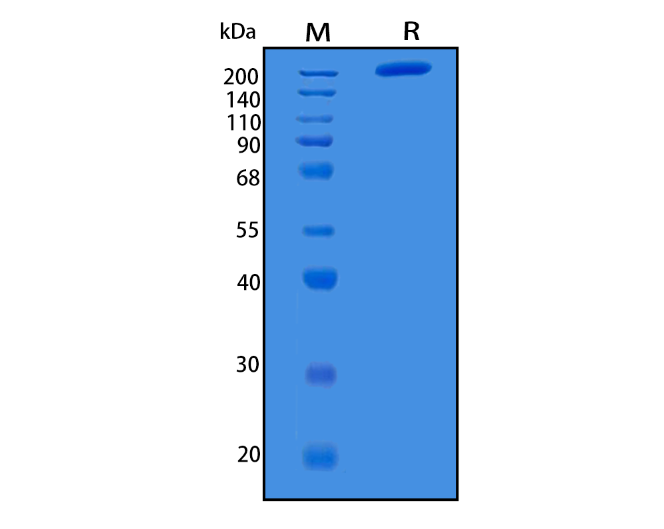
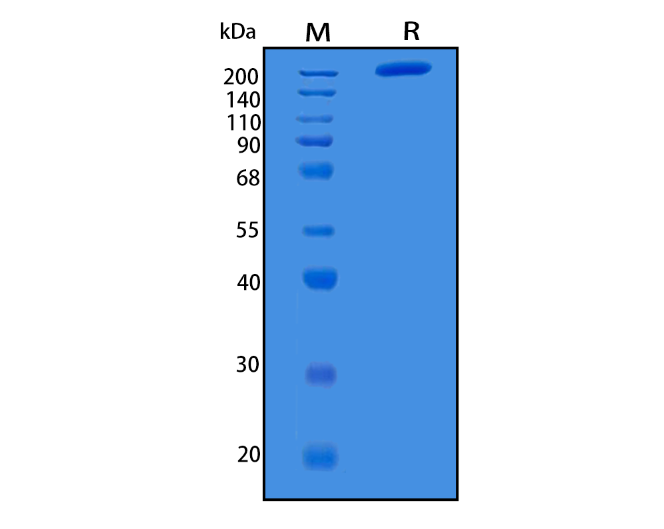
Greater than 90% as determined by SDS-PAGE.
-
Uniprot
Q5S007
-
Expression Region
968-2527aa
-
AA Sequence
MRHSDSISSLASEREYITSLDLSANELRDIDALSQKCCISVHLEHLEKLE LHQNALTSFPQQLCETLKSLTHLDLHSNKFTSFPSYLLKMSCIANLDVSR NDIGPSVVLDPTVKCPTLKQFNLSYNQLSFVPENLTDVVEKLEQLILEGN KISGICSPLRLKELKILNLSKNHISSLSENFLEACPKVESFSARMNFLAA MPFLPPSMTILKLSQNKFSCIPEAILNLPHLRSLDMSSNDIQYLPGPAHW KSLNLRELLFSHNQISILDLSEKAYLWSRVEKLHLSHNKLKEIPPEIGCL ENLTSLDVSYNLELRSFPNEMGKLSKIWDLPLDELHLNFDFKHIGCKAKD IIRFLQQRLKKAVPYNRMKLMIVGNTGSGKTTLLQQLMKTKKSDLGMQSA TVGIDVKDWPIQIRDKRKRDLVLNVWDFAGREEFYSTHPHFMTQRALYLA VYDLSKGQAEVDAMKPWLFNIKARASSSPVILVGTHLDVSDEKQRKACMS KITKELLNKRGFPAIRDYHFVNATEESDALAKLRKTIINESLNFKIRDQL VVGQLIPDCYVELEKIILSERKNVPIEFPVIDRKRLLQLVRENQLQLDEN ELPHAVHFLNESGVLLHFQDPALQLSDLYFVEPKWLCKIMAQILTVKVEG CPKHPKGIISRRDVEKFLSKKRKFPKNYMSQYFKLLEKFQIALPIGEEYL LVPSSLSDHRPVIELPHCENSEIIIRLYEMPYFPMGFWSRLINRLLEISP YMLSGRERALRPNRMYWRQGIYLNWSPEAYCLVGSEVLDNHPESFLKITV PSCRKGCILLGQVVDHIDSLMEEWFPGLLEIDICGEGETLLKKWALYSFN DGEEHQKILLDDLMKKAEEGDLLVNPDQPRLTIPISQIAPDLILADLPRN IMLNNDELEFEQAPEFLLGDGSFGSVYRAAYEGEEVAVKIFNKHTSLRLL RQELVVLCHLHHPSLISLLAAGIRPRMLVMELASKGSLDRLLQQDKASLT RTLQHRIALHVADGLRYLHSAMIIYRDLKPHNVLLFTLYPNAAIIAKIAD YGIAQYCCRMGIKTSEGTPGFRAPEVARGNVIYNQQADVYSFGLLLYDIL TTGGRIVEGLKFPNEFDELEIQGKLPDPVKEYGCAPWPMVEKLIKQCLKE NPQERPTSAQVFDILNSAELVCLTRRILLPKNVIVECMVATHHNSRNASI WLGCGHTDRGQLSFLDLNTEGYTSEEVADSRILCLALVHLPVEKESWIVS GTQSGTLLVINTEDGKKRHTLEKMTDSVTCLYCNSFSKQSKQKNFLLVGT ADGKLAIFEDKTVKLKGAAPLKILNIGNVSTPLMCLSESTNSTERNVMWG GCGTKIFSFSNDFTIQKLIETRTSQLFSYAAFSDSNIITVVVDTALYIAK QNSPVVEVWDKKTEKLCGLIDCVHFLREVMVKENKESKHKMSYSGRVKTL CLQKNTALWIGTGGGHILLLDLSTRRLIRVIYNFCNSVRVMMTAQLGSLK NVMLVLGYNRKNTEGTQKQKEIQSCLTVWDINLPHEVQNLEKHIEVRKEL AEKMRRTSVE
-
Molecular Weight
210 kDa
-
Endotoxin
< 1.0 EU per μg protein as determined by the LAL method.
-
Form
Freeze-dried powder
-
Buffer formulation
PBS, pH7.4, containing 0.01% SKL, 1mM DTT, 5% Trehalose and Proclin300.
-
Reconstitution
Reconstitute in ddH2O to a concentration of 0.1-0.5 mg/mL. Do not vortex.
- Customization
-
Stability Test
The thermal stability is described by the loss rate. The loss rate was determined by accelerated thermal degradation test, that is, incubate the protein at 37℃ for 48h, and no obvious degradation and precipitation were observed. The loss rate isless than 8% within the expiration date under appropriate storage condition.
-
Storage & Shelf Life
Samples are stable for up to twelve months from date of receipt at -20℃ to -80℃. Store it under sterile conditions at -20℃ to -80℃. It is recommended that the protein be aliquoted for optimal storage. Avoid repeated freeze-thaw cycles.
-
Shipping
In general, recombinant proteins are supplied as lyophilized powder and shipped at ambient temperature. For bulk packages, the proteins are provided as frozen liquid and shipped with blue ice, unless otherwise requested by the customer.
Quality inspection process

Related Products
Identification
Protein Description
LRRK2 (Leucine-rich repeat kinase 2) is a multi-domain protein that plays a significant role in various cellular processes, including neuronal function, immune response, and protein metabolism. It is best known for its association with familial and sporadic forms of Parkinson's disease (PD), making it a critical target for neurodegenerative research. Mutations in the LRRK2 gene are the most common genetic cause of PD, and understanding its functional mechanisms is essential for developing potential therapeutic strategies. Research has shown that the kinase activity of LRRK2 is crucial for its pathological role in PD, as it affects several cellular pathways, including autophagy, mitochondrial function, and inflammation. The study of recombinant LRRK2 proteins enables researchers to dissect its biochemical properties and interactions, paving the way for drug discovery and the development of inhibitors that could mitigate its toxic effects. Additionally, investigating LRRK2's structure and function provides insights into its role in neuronal health and disease, potentially leading to improved understanding and treatment of Parkinson's disease and other related disorders.







