

Analytical Data
-
Gene name
IL-4
-
简介
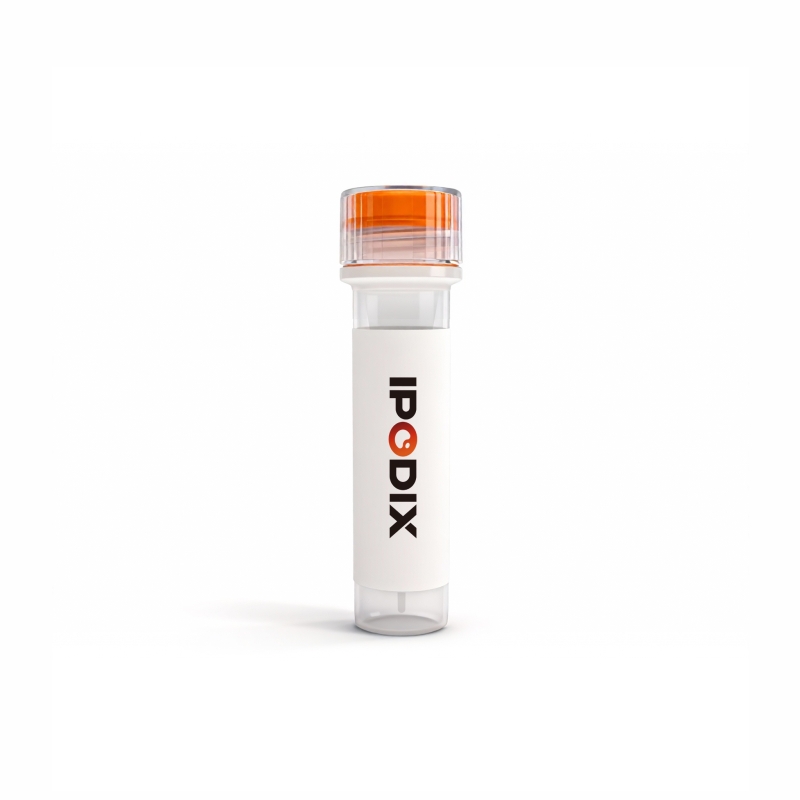
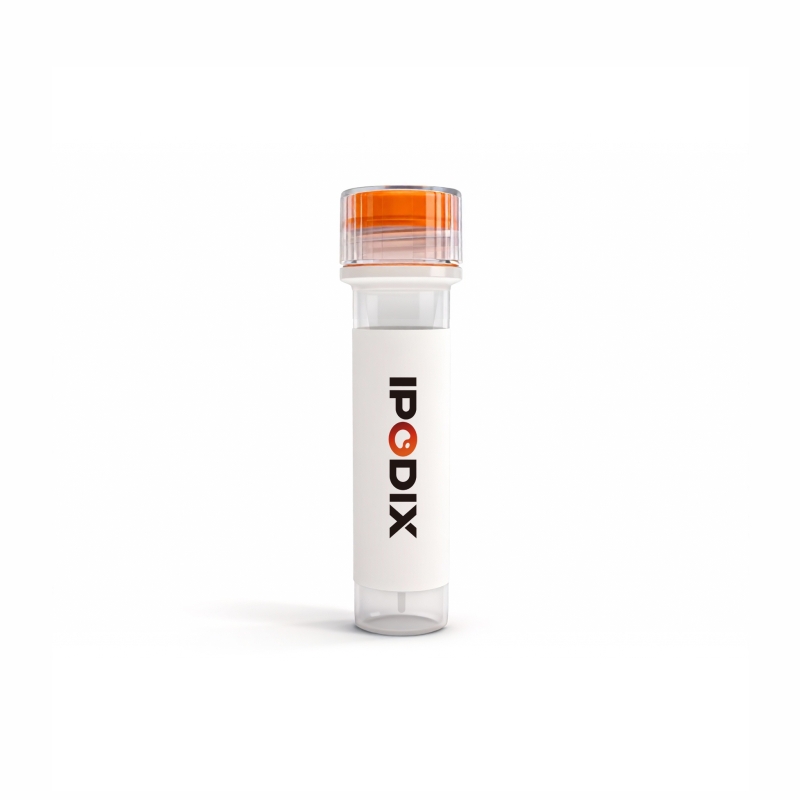
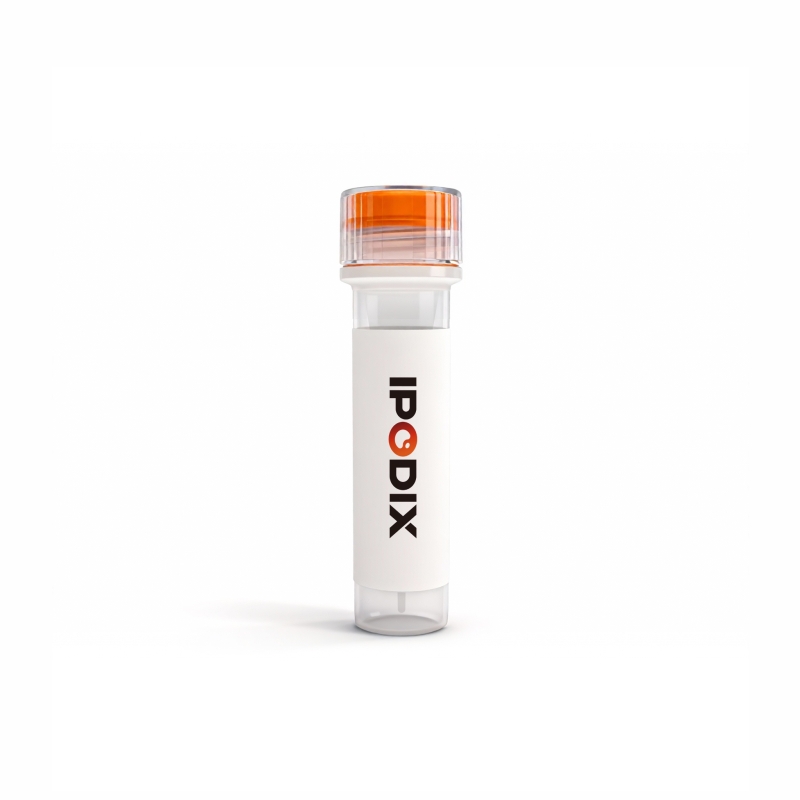
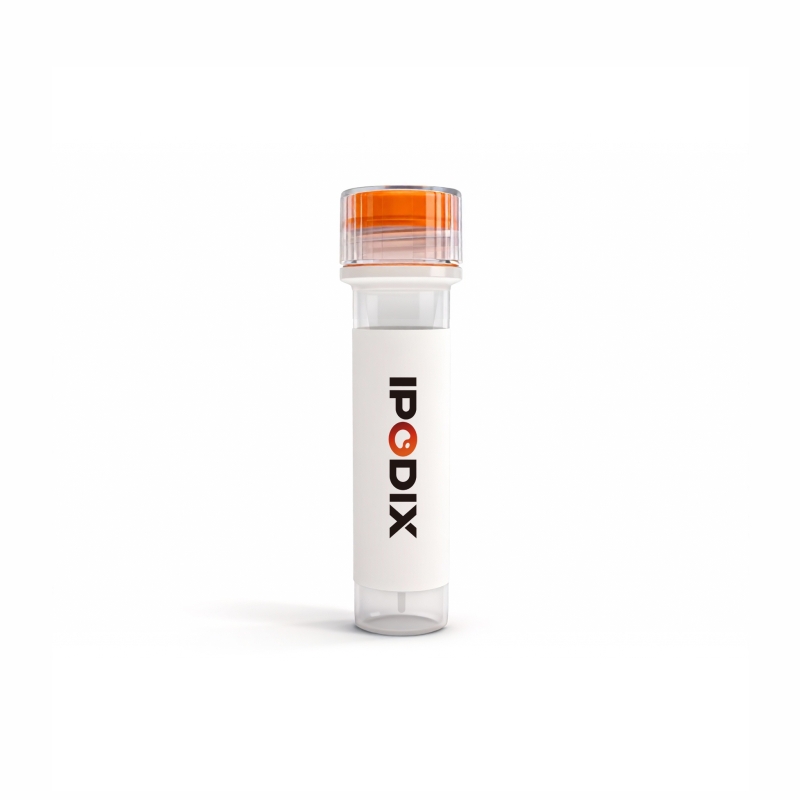
IL-4 protein is actively involved in the activation process of B cells and various cell types, acting as a costimulator of DNA synthesis. It induces expression of MHC class II molecules by resting B cells and enhances IgE and IgG1 secretion and cell surface expression. Animal-Free IL-4 Protein, Pig (His) is the recombinant pig-derived animal-FreeIL-4 protein, expressed by E. coli , with C-His labeled tag. This product is for cell culture use only.
- Application
-
Alternative Names
BSF1; BCGF1 ;B Cell Stimulatory Factor 1; Lymphocyte stimulatory factor 1; B Cell Growth Factor; Binetrakin; Pitrakinra
-
Species
Pig
-
Source
E. coli
-
Tag
N-His
-
Purity
> 95% as determined by SDS-PAGE.
-
Uniprot
G0WM66
-
Expression Region
Cys25~Arg144
-
Molecular Weight
17kDa
-
Endotoxin
< 1.0 EU per μg protein as determined by the LAL method.
-
Form
Freeze-dried powder
-
Buffer formulation
PBS, pH7.4, containing 0.01% SKL, 1mM DTT, 5% Trehalose and Proclin300.
-
Reconstitution
Reconstitute in ddH2O to a concentration of 0.1-0.5 mg/mL. Do not vortex.
- Customization
-
Stability Test
The thermal stability is described by the loss rate. The loss rate was determined by accelerated thermal degradation test, that is, incubate the protein at 37℃ for 48h, and no obvious degradation and precipitation were observed. The loss rate isless than 8% within the expiration date under appropriate storage condition.
-
Storage & Shelf Life
Samples are stable for up to twelve months from date of receipt at -20℃ to -80℃. Store it under sterile conditions at -20℃ to -80℃. It is recommended that the protein be aliquoted for optimal storage. Avoid repeated freeze-thaw cycles.
-
Shipping
In general, recombinant proteins are supplied as lyophilized powder and shipped at ambient temperature. For bulk packages, the proteins are provided as frozen liquid and shipped with blue ice, unless otherwise requested by the customer.
Quality inspection process

Related Products
Protein Description
Interleukin-4 (IL-4) is a key cytokine involved in the regulation of immune responses, primarily produced by T-helper cells, mast cells, and basophils. It plays a crucial role in the differentiation of naive T cells into Th2 cells, promoting the production of immunoglobulin E (IgE) and enhancing the activation of eosinophils and mast cells, which are important in allergic responses and asthma. Due to its significant involvement in various allergic and inflammatory diseases, IL-4 has emerged as a potential therapeutic target. Researchers have been investigating recombinant IL-4 protein to explore its biological effects and therapeutic applications. Recombinant IL-4 is produced through recombinant DNA technology, allowing for a consistent and high-yield production process. Studies have demonstrated that IL-4 can modulate immune responses, promote wound healing, and enhance the efficacy of certain vaccines. Moreover, it has been examined for its role in cancer immunotherapy, where it can influence the tumor microenvironment and potentially improve anti-tumor immunity. However, the dual nature of IL-4 in promoting both Th2 responses and potential tumor growth necessitates careful investigation to harness its therapeutic benefits while minimizing undesired effects. Ongoing research focuses on understanding the molecular mechanisms of IL-4 signaling and its interactions with other cytokines, which may lead to the development of novel therapeutic strategies targeting IL-4 pathways in various diseases. The exploration of IL-4 as a recombinant protein not only enhances our understanding of immune modulation but also paves the way for innovative treatments for allergic diseases, autoimmune disorders, and cancer.







