

Analytical Data
-
Gene name
TAL
-
简介
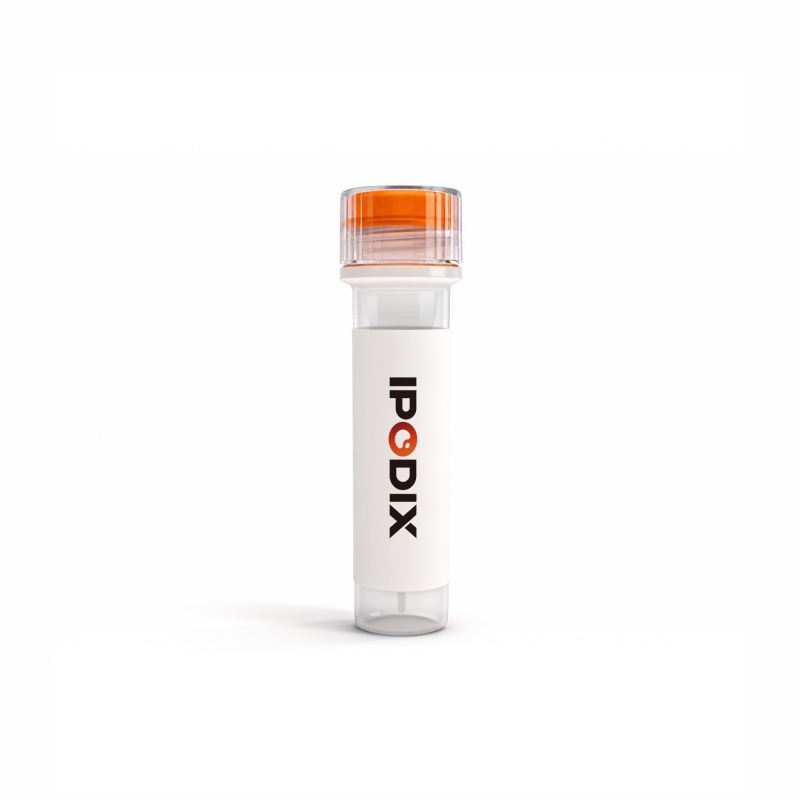
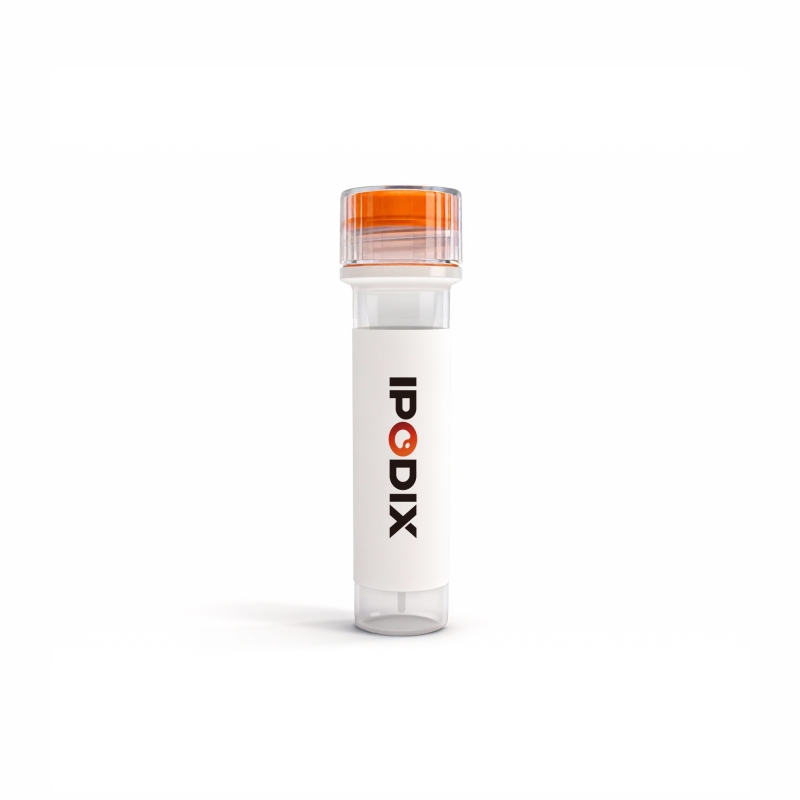
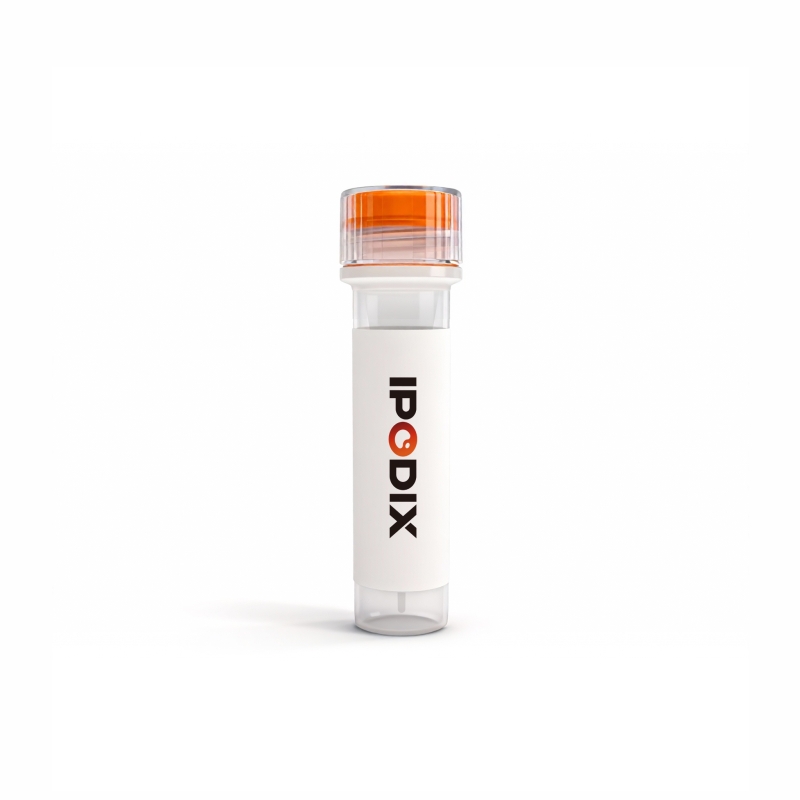
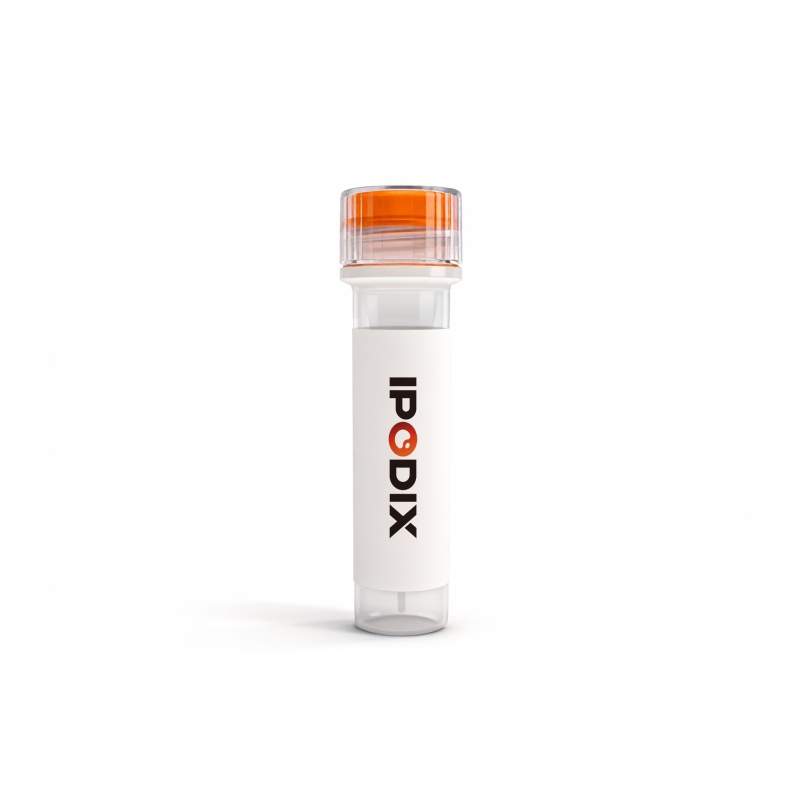
TAL protein is an important member of the PAL/histidinase family and participates in important biological processes. As part of this family, TALs may have conserved features that may contribute to enzymatic activity in histidine metabolism. TAL Protein, Rhodotorula glutinis (FLAG, His) is the recombinant TAL protein, expressed by E. coli , with N-6*His, N-Flag labeled tag.
- Application
-
Alternative Names
TAL; Tyrosine ammonia lyase
-
Species
Others
-
Source
E. coli
-
Tag
N-6*His;N-Flag
-
Purity
Greater than 90% as determined by SDS-PAGE.
-
Uniprot
U5TV35
-
Expression Region
M1-A693
-
Protein Length
Full Length
-
Endotoxin
< 1.0 EU per μg protein as determined by the LAL method.
-
Form
Freeze-dried powder
-
Buffer formulation
PBS, pH7.4, containing 0.01% SKL, 1mM DTT, 5% Trehalose and Proclin300.
-
Reconstitution
Reconstitute in ddH2O to a concentration of 0.1-0.5 mg/mL. Do not vortex.
- Customization
-
Stability Test
The thermal stability is described by the loss rate. The loss rate was determined by accelerated thermal degradation test, that is, incubate the protein at 37℃ for 48h, and no obvious degradation and precipitation were observed. The loss rate isless than 8% within the expiration date under appropriate storage condition.
-
Storage & Shelf Life
Samples are stable for up to twelve months from date of receipt at -20℃ to -80℃. Store it under sterile conditions at -20℃ to -80℃. It is recommended that the protein be aliquoted for optimal storage. Avoid repeated freeze-thaw cycles.
-
Shipping
In general, recombinant proteins are supplied as lyophilized powder and shipped at ambient temperature. For bulk packages, the proteins are provided as frozen liquid and shipped with blue ice, unless otherwise requested by the customer.
Quality inspection process

Related Products
Protein Description
TAL (Transcription Activator-Like) proteins, derived from plant-pathogenic bacteria such as *Xanthomonas*, have garnered significant attention in molecular biology and plant biotechnology due to their ability to specifically recognize and bind to DNA sequences. These proteins are characterized by their modular structure, consisting of repetitive motifs that can be engineered to create custom transcription factors for targeted gene regulation. The study of TAL proteins has been propelled forward by their potential applications in developing genetically modified organisms (GMOs) for agriculture, allowing scientists to introduce desired traits, such as disease resistance or enhanced nutritional profiles, with high precision. This specificity of TAL proteins offers a more straightforward alternative to traditional methods of genetic engineering, such as CRISPR/Cas9, by facilitating the targeted modulation of gene expression without causing significant off-target effects. As research continues to evolve, TAL proteins have been adapted for use beyond plants, extending their impact into areas such as gene therapy and synthetic biology, paving the way for innovative solutions in various fields. Consequently, understanding the structure-function relationship of TAL proteins, optimizing their delivery mechanisms, and ensuring their stable expression in target species remains a vital focus of research, driving advancements in biotechnology and agriculture.







